


7 Reasons Every Restaurant Needs Reservation Software in 2026
Get Started with a Free Demo
New Keyword Page
New Keyword Page
"*" indicates required fields
In 2026, more than 68% of restaurants worldwide have adopted digital reservation systems to manage bookings and streamline operations, underscoring how essential technology has become in the dining industry.
The rise of online and mobile reservations reflects changing consumer expectations, but many restaurants still struggle with overbooked tables, manual booking errors, and long wait times that frustrate guests and staff alike.
This is where restaurant reservation software comes in. It simplifies bookings, reduces wait times, and helps staff manage tables efficiently. Restaurants can now track reservations in real time, minimize no-shows, and deliver a smoother dining experience for every guest.
Beyond just managing tables, modern reservation software integrates with other restaurant management software, providing insights on customer behavior, peak hours, and operational efficiency. By adopting this technology, restaurants can save time, increase revenue, and stay ahead in the competitive restaurant reservation market.
Importance of Reservation Software
Using restaurant reservation software is more than just taking bookings, it helps restaurants run smoothly and keep customers happy.
- Plan Better with Smart Predictions – Modern software can predict busy times, so restaurants can plan staff and prepare food in advance, avoiding chaos during peak hours.
- Personalized Guest Experience – It remembers guest preferences, special occasions, and past visits, so you can offer personalized seating, menus, and deals that make guests return.
- Easy Mobile & Contactless Booking – Guests can book tables from their phones, check in using QR codes, and get updates instantly, making the experience quick and safe.
- Protects Customer Data – Good software keeps personal information safe and follows rules like GDPR, helping restaurants gain trust from guests.
With these benefits, reservation software doesn’t just fill tables—it helps restaurants work smarter, serve guests better, and build loyalty in 2026.
Key Features of Reservation Software
Modern restaurant reservation software does much more than just take bookings. Here are five features that are crucial for restaurants in 2026:
- Dynamic Waitlist Management – Automatically manages walk-ins and waitlisted guests, notifying them in real-time when a table becomes available, reducing frustration and improving guest flow.
- Smart Table Layout & Optimization – Lets restaurants create flexible floor plans, track table occupancy, and adjust seating arrangements for maximum efficiency, even during busy hours.
- Automated No-Show Prevention – Sends reminders, offers incentives for early confirmation, and allows deposits or prepayments to reduce missed reservations and lost revenue.
- Multi-Language & Global Currency Support – Perfect for restaurants with international guests, allowing bookings, notifications, and payments in multiple languages and currencies.
- Event & Group Booking Management – Handles special events, private parties, and large group reservations seamlessly, including menu planning, table allocation, and staff coordination.
With these modern features, restaurants can not only manage bookings but also enhance efficiency, improve guest satisfaction, and grow revenue in today’s fast-paced dining environment.
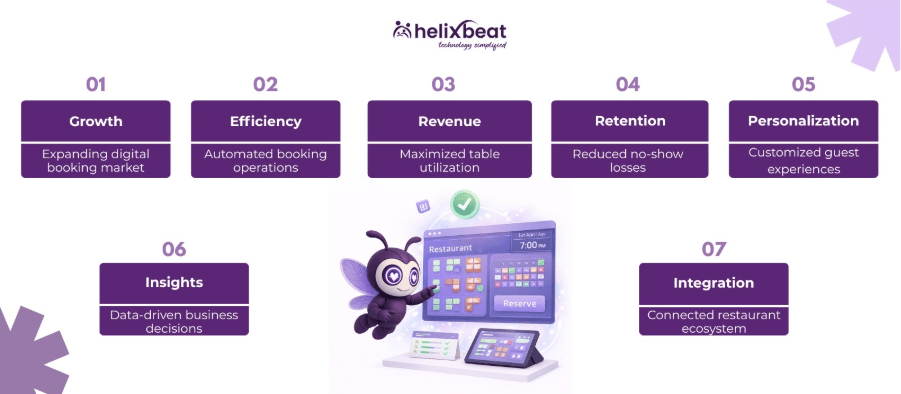
7 Reasons: Every Restaurant Needs Reservation Software in 2026
In 2026, restaurant reservation software is not just a tool to take bookings – it’s a way to run your restaurant smarter, serve guests better, and increase profits.
Here are seven reasons why every restaurant needs it:
1. Keeps You Competitive in a Growing Market
The restaurant reservations software market is growing fast, with more restaurants moving online. If your restaurant doesn’t have digital booking, customers may choose competitors who make reservations easy.
Example: A new café next door allows online booking, while yours only takes calls. Customers are more likely to book with the café.
2. Saves Time with Automated Operations
Modern software automatically handles table allocation, confirms bookings, and updates waitlists, reducing human errors and freeing your staff to focus on serving guests.
Example: Instead of a host manually checking which tables are free, the software shows available tables in real time and assigns guests instantly.
3. Helps You Make More Money
By predicting busy times and optimizing table use, reservation software increases table turnover and fills more seats during peak hours.
Example: A 20‑table restaurant can schedule tables efficiently so more diners are served in a night without adding staff or space.
4. Reduces No-Shows
Automated reminders, deposits, or pre-payment options reduce the number of guests who don’t show up, protecting your revenue.
Example: Guests receive an SMS reminder a day before, and those who don’t confirm automatically release their table for others.
5. Personalizes Guest Experience
Reservation software can remember customer preferences, special occasions, or favorite tables, helping restaurants offer personalized service.
Example: A guest who always orders a vegetarian meal gets a suggested menu automatically, making them feel valued.
6. Provides Useful Insights
Software tracks reservations, cancellations, party sizes, and peak times, helping you make better staffing, menu, and marketing decisions.
Example: If the software shows Friday nights are busiest, you can schedule extra staff and prepare enough ingredients in advance.
7. Works With Other Restaurant Tools
Reservation software can connect with POS systems, online ordering, loyalty programs, and payment platforms for smooth operations.
Example: When a customer books online and orders in advance, their order automatically appears in the kitchen system, saving time and reducing mistakes.
In short, reservation software helps your restaurant run efficiently, keeps customers happy, reduces revenue loss, and makes your business smarter for 2026 and beyond.
New Trends in Reservation Software
As technology advances, restaurant reservation software is evolving too. In 2026, several new trends are shaping how restaurants book tables, manage guests, and boost profits. Here are three major trends you should know:
1. AI‑Driven Guest Experience and Prediction
Reservation systems are now using Artificial Intelligence (AI) to learn guest behavior and make smart suggestions. Instead of just taking a reservation, AI can analyze past data to predict future patterns.
- What this means: The software can suggest the best seating times, forecast busy hours, and even recommend special offers to guests.
- Example: If a restaurant usually fills up between 7–8 PM on Fridays, the system can alert staff in advance or offer off‑peak discounts to balance reservations.
AI also personalizes guest experiences by remembering their preferences—such as favorite dishes, preferred seating, or special occasions—and presenting them at the right time.
2. Voice and Chatbot Reservations
Voice technology and chatbots are becoming common ways for guests to book tables without calling. Chatbots can work on websites, social media, or messaging apps, making reservations easier and faster.
- What this means: Guests can type or speak commands like “Book a table for two at 7 PM tonight,” and the system handles it instantly.
- Example: A customer sends a WhatsApp message saying “Reserve table for 4 this Saturday at 8 PM,” and a chatbot confirms the reservation within seconds.
This trend improves convenience, reduces phone workload for staff, and matches modern diners’ preference for messaging over calling.
3. Integrated Guest Journey Platforms
Reservation software is no longer an isolated tool—it’s becoming part of a complete guest journey system. This means your booking platform connects with:
- Online ordering systems
- Loyalty and rewards programs
- Digital payment gateways
- Marketing platforms (SMS, email, push notifications)
- What this means: Guests can reserve a table, pre‑order food, earn loyalty rewards, and receive promotions from one connected system.
- Example: A guest books a table online, pre‑orders appetizers, earns loyalty points, and receives a personalized discount email for their next visit – all through the same system.
This trend helps restaurants create a seamless and enjoyable dining journey while improving operational efficiency and increasing repeat visits.
Why Helixbeat is the Best Reservation Software
Helixbeat makes managing restaurant bookings simple and efficient. It shows table availability in real time, updates reservations automatically, and allows guests to book online through phones or computers.
Beyond bookings, Helixbeat connects with other restaurant tools to create a seamless experience:
- Integrates with POS systems, loyalty programs, and customer profiles.
- Suggests favorite dishes and remembers guest preferences.
- Mobile-friendly features allow staff to manage reservations anywhere.
- Helps build guest loyalty, boost revenue, and streamline operations.
With features like automated reminders, guest preference tracking, and analytics, it helps restaurants reduce no-shows, plan staff, and improve service.
Whether you run a single café or multiple locations, Helixbeat keeps everything organized from one easy-to-use dashboard.
Frequently Ask Questions
1. Why is health information exchange important in healthcare?
It improves care coordination, reduces duplicate tests, minimizes errors, and helps providers make timely, data-driven decisions across different healthcare settings.
2. What are the main models of health information exchange?
3. Which standards guide health information exchange?
Standards like FHIR and HL7 define consistent data formats, making it easier for EHRs, HIEs, and other healthcare platforms to exchange information.
4. What are the benefits of using health information exchange?
HIE improves care coordination, reduces healthcare costs, supports population health management, enhances research, and increases operational efficiency.
5. How does AERIS enhance healthcare information exchange?
AERIS leverages FHIR standards, connects legacy systems, automates workflows, reduces manual errors, and provides real-time access to patient records and lab results.
1. How does restaurant reservation software help increase revenue?
It reduces no-shows, optimizes table turnover, and helps restaurants manage peak hours, benefiting from the growing restaurant reservations software market.
2. Can small restaurants benefit from using Helixbeat?
Yes, even small cafés can streamline bookings, offer personalized service, and compete in the expanding restaurant management software market.
3. What new features should I look for in 2026 reservation software?
Look for AI-based booking predictions, mobile and contactless reservations, and analytics dashboards to leverage the growing restaurant reservation market size.