


Advantage and Disadvantages of POS Software for Restaurants
Get Started with a Free Demo
New Keyword Page
New Keyword Page
"*" indicates required fields
Running a restaurant involves managing orders, billing, inventory, and customer service all at the same time. When these processes rely on manual systems, mistakes and delays can easily occur. This is why many restaurant owners are turning to pos software for restaurant to streamline daily operations.
In fact, technology adoption in the restaurant industry is rapidly growing. According to the TouchBistro State of Restaurants Report, 97% of full-service restaurants already use a POS system to manage their operations, highlighting how essential this technology has become for modern restaurants.
Many owners search for options like the best pos software for restaurant free, but not every solution offers the features needed to run a restaurant smoothly.
Understanding how pos system software for restaurants works and its advantages and disadvantages helps restaurant owners choose a system that supports long-term growth and efficient operations.
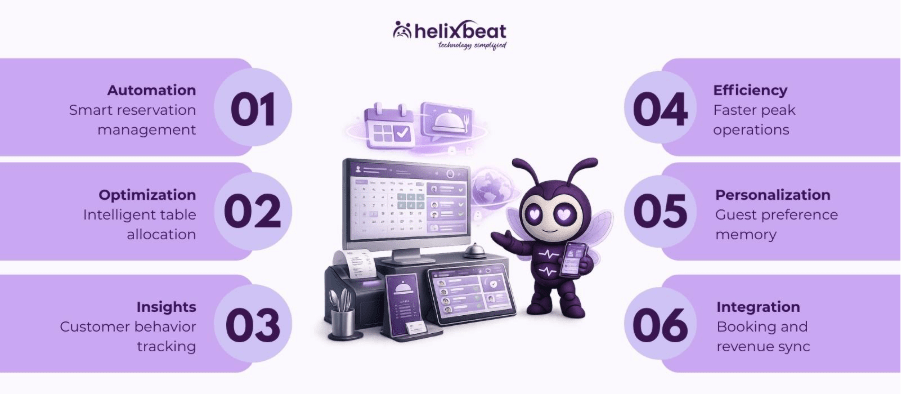
Why Restaurants Needs Point On Sales Software
Running a restaurant smoothly requires more than just great food—it demands efficient operations at every step.
- Streamlined Order Management – A pos software for restaurant allows staff to take orders quickly and send them directly to the kitchen. This reduces mistakes, speeds up service, and keeps customers happy, especially during peak hours.
- Accurate Billing and Payment Processing – Manual billing can lead to errors and slow checkout. POS systems automatically calculate bills, apply taxes, manage discounts, and accept multiple payment methods, making transactions seamless and reliable.
- Real-Time Inventory and Sales Tracking – With a POS system, restaurant owners can track stock levels, monitor ingredient usage, and get instant sales reports. This prevents shortages, reduces food waste, and helps plan menus based on what sells best.
By implementing the right pos system software for restaurant, restaurants can save time, reduce errors, and focus on delivering a better dining experience.
Advantages of Point On Sales Software for Restaurants
Investing in the right pos software for restaurant offers multiple benefits that directly impact efficiency, revenue, and customer satisfaction.
- Faster Table Turnover – Orders are transmitted instantly to the kitchen, reducing wait times and allowing more guests to be served during peak hours.
- Detailed Sales Analytics – Restaurants can track top-selling dishes, identify slow-moving items, and adjust menus or promotions based on real data.
- Staff Performance Monitoring – POS systems record who handled each order, helping managers track productivity, manage shifts, and identify training needs.
- Customer Loyalty Integration – Many POS systems allow the creation of loyalty programs, enabling restaurants to reward repeat customers and encourage higher spending.
- Multi-Location Management – For restaurants with multiple outlets, a POS system provides a centralized dashboard to monitor sales, inventory, and staff performance across all locations.
- Reduced Human Error – Automated order entry, billing, and inventory tracking minimize mistakes that can lead to losses or unhappy customers.
- Smooth Online Ordering – Integration with delivery platforms and online ordering systems ensures that takeout and delivery orders are processed efficiently without manual intervention.
These advantages show why even restaurants looking for best pos software for restaurant free should consider a system that combines speed, accuracy, and smart management tools.
Disadvantages of Point On Sales Software for Restaurants
While pos software for restaurant brings many benefits, it’s important to be aware of potential drawbacks before making a decision:
- Initial Cost and Setup – Even if free versions exist, fully-featured POS systems may require investment in hardware, software licenses, and installation, which can be significant for small restaurants.
- Staff Training Required – Employees need time to learn the system, and mistakes can still happen during the learning period, especially during busy service hours.
- Dependence on Technology – Technical issues, system crashes, or internet outages can disrupt operations, affecting order processing and billing.
- Limited Customization in Free Versions – Free or basic POS options often lack advanced features like detailed reporting, loyalty programs, or integration with delivery platforms.
- Ongoing Maintenance and Updates – POS systems require regular updates, software maintenance, and sometimes subscription fees, adding to the operational workload and cost.
Understanding these challenges helps restaurant owners make informed choices when evaluating pos system software for restaurant.
Why RavZora Stands Out Compared to Other POS
Choosing the right pos system software for restaurant can be overwhelming, but RavZora makes it simple by combining easy-to-use features with powerful restaurant tools. It helps restaurants manage everything from orders to billing efficiently, so staff can focus on serving customers. Key features include:
- Real-time kitchen sync – Orders are instantly sent to the kitchen.
- Smart table turnover alerts – Helps serve more customers quickly.
- Multi-outlet management – Monitor all locations from one dashboard.
RavZora also focuses on helping restaurants grow. It goes beyond basic billing and inventory with tools that increase sales and improve decision-making:
- AI-powered upsell prompts – Suggests popular add-ons to customers.
- Dynamic menu control – Easily update menus based on sales trends.
- Integration with delivery platforms – Manage online orders without extra work.
With pos software for restaurant like RavZora, owners get real-time insights, smooth operations, and smarter growth, making it a standout choice for any restaurant.
How AI Makes POS More Efficient
AI is transforming pos software for restaurant by making operations smarter, faster, and more data-driven. Here’s how:
- Predictive Inventory Management – AI analyzes historical sales and seasonal trends to forecast ingredient demand, helping restaurants reduce waste and avoid running out of key items.
- Personalized Customer Experience – AI tracks customer preferences and purchase history, allowing restaurants to offer personalized recommendations, discounts, or loyalty rewards that increase repeat visits.
- Automated Sales Insights – AI instantly processes sales data to highlight trends, best-selling items, and slow-moving dishes, enabling owners to make quick menu adjustments and pricing decisions.
By integrating AI, a pos system software for restaurant not only speeds up daily operations but also provides actionable insights that help restaurants grow efficiently.
Final Words
Running a restaurant smoothly requires more than just good food—it needs efficient operations, accurate billing, and smart management. Using the right pos software for restaurant helps streamline orders, track inventory, and provide real-time sales insights, making day-to-day management much easier.
RavZora takes it a step further by combining automation, AI-driven insights, and restaurant-focused features in one platform.
Whether you want to boost sales, reduce errors, or manage multiple locations effortlessly, RavZora POS is the smart choice to take your restaurant operations to the next level. Upgrade today and experience smoother, smarter restaurant management.
Frequently Ask Questions
1. Why is health information exchange important in healthcare?
It improves care coordination, reduces duplicate tests, minimizes errors, and helps providers make timely, data-driven decisions across different healthcare settings.
2. What are the main models of health information exchange?
3. Which standards guide health information exchange?
Standards like FHIR and HL7 define consistent data formats, making it easier for EHRs, HIEs, and other healthcare platforms to exchange information.
4. What are the benefits of using health information exchange?
HIE improves care coordination, reduces healthcare costs, supports population health management, enhances research, and increases operational efficiency.
5. How does AERIS enhance healthcare information exchange?
AERIS leverages FHIR standards, connects legacy systems, automates workflows, reduces manual errors, and provides real-time access to patient records and lab results.
1. Can a POS system work without internet in a restaurant?
Many modern pos software for restaurant solutions offer offline mode, allowing restaurants to continue taking orders and processing payments even during internet outages. Data automatically syncs once the connection is restored.
2. Are POS systems suitable for small or single-location restaurants?
Yes. Even small restaurants can benefit from pos system software for restaurant, as it provides faster billing, inventory tracking, and order management without overwhelming costs.
3. How secure is customer payment data on a POS system?
Reputable pos software for restaurant uses encryption and secure payment gateways to protect sensitive customer data, including card details and transaction history, reducing the risk of fraud.
4. Can a POS system integrate with third-party delivery apps?
Most modern solutions, including best pos software for restaurant free or paid versions, integrate seamlessly with popular food delivery platforms, allowing restaurants to manage online orders directly from the POS without manual entry.
5. How long does it take for staff to get used to a new POS system?
Training time depends on the system, but intuitive best pos system for restaurant free usually allows staff to learn basic operations within a few hours to a couple of days, minimizing disruptions during service.