


DevOps load Testing
Get in Touch
New Lead: Testing as a Service
Testing as a Service Landing Page Form, connected with the Mailchimp.
"*" indicates required fields
Studies show that 88% of online customers are unlikely to return to a website after a bad experience, and 53% of mobile app users will abandon an app if it takes longer than 3 seconds to load. These performance issues, such as slow loading times or crashes, can cost businesses millions in lost revenue.
With more people relying on digital services, it’s essential to ensure your application can handle high traffic without slowing down or breaking. DevOps Load Testing solves this problem by testing your application during development, helping you identify and fix performance issues before they affect users. This way, you can ensure a smooth experience for your customers, reduce the risk of downtime, and save money on fixing issues later.
Helixbeat offers the tools and expertise to help optimize your ecommerce site for peak performance.
What is DevOps Load Testing?
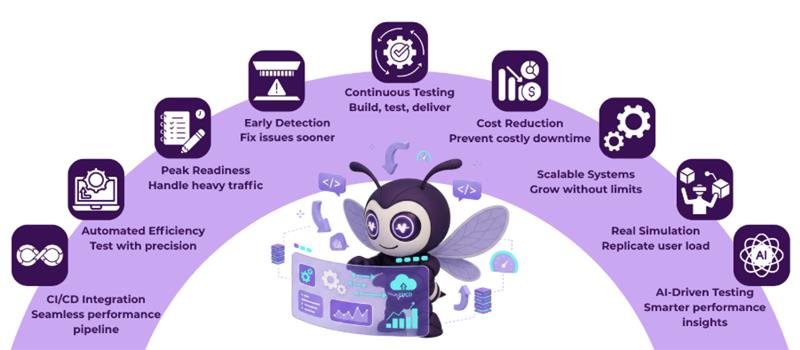
DevOps Load Testing is the practice of testing an application’s performance under various traffic conditions during its development cycle, using automated tools integrated into the DevOps pipeline. It helps simulate heavy user activity to identify potential issues like slow response times, crashes, or system failures before the software reaches production.
By continuously testing during the development process, teams can address performance bottlenecks early, ensuring the application can handle high traffic and perform reliably under real-world conditions. This proactive approach not only improves application performance but also helps deliver a seamless user experience.
Benefits of DevOps Load Testing for Your Business
Implementing DevOps Load Testing brings several key benefits that can significantly impact your business:
- Improved Application Performance: By identifying performance bottlenecks early, DevOps Load Testing ensures your application can handle high traffic without slowing down, delivering a smoother experience for users.
- Cost Savings: With DevOps Load Testing QA Automation, you can detect issues in the development stage, preventing costly downtime and reducing the need for expensive post-launch fixes.
- Faster Time to Market: Automating the testing process with DevOps Load Testing QA Tools speeds up your development cycle, allowing you to release your application faster while ensuring quality.
- Scalability and Reliability: DevOps Load Testing Software helps your application scale efficiently, ensuring it remains reliable even during peak usage, which is essential for business growth.
By leveraging the right DevOps Load Testing Service, you can enhance performance, save costs, and ensure your application is ready to perform at its best under any conditions.
5 Steps to Implement DevOps Load Testing in Your Workflow
Implementing DevOps Load Testing in your workflow can be a seamless process if done correctly. Here are five steps to integrate load testing into your development pipeline:
Step 1: Choose the Right DevOps Load Testing Tools
Start by selecting the appropriate DevOps Load Testing QA Tools that fit your business needs. Popular options like DevOps Load Testing Software can help automate the process, ensuring efficiency and consistency.
Step 2: Automate the Testing Process
With DevOps Load Testing QA Automation, you can set up automated load tests to run with every code update, allowing your team to catch performance issues early and often, reducing manual effort.
Step 3: Integrate Testing into Your CI/CD Pipeline
Make sure that DevOps Load Testing is an integral part of your Continuous Integration/Continuous Deployment (CI/CD) pipeline. This allows load testing to happen automatically whenever new features or updates are pushed.
Step 4: Simulate Real-World Traffic
Use your DevOps Load Testing Service to simulate real-world user traffic, including peak loads, to identify potential stress points and gauge how the application performs under various conditions.
Step 5: Analyze and Optimize
After running the tests, analyze the results to identify areas of improvement. Use the insights gained from the DevOps Load Testing Software to fix bottlenecks and optimize the application’s performance before deployment.
By following these steps, you can efficiently implement DevOps Load Testing into your workflow, ensuring that your application is optimized for performance and reliability before reaching your users.
Key Outcomes of DevOps Load Testing
DevOps Load Testing brings several valuable outcomes that directly improve your application’s performance and stability. Here are the key benefits:
1. Better Application Performance
With DevOps Load Testing, you can find and fix performance issues before they affect your users. This helps your app run faster and smoother, even during high traffic, giving your customers a better experience.
2. Save Money by Finding Problems Early
By using DevOps Load Testing QA Automation, you can spot issues early in the development process, which means fewer costly fixes after launch. This helps avoid downtime and reduces expensive troubleshooting
3. Faster and Consistent Testing
Using DevOps Load Testing QA Tools makes testing faster and more reliable. These tools automate the process, giving you quick and accurate results, so your team can focus on other tasks while ensuring the app works well under heavy use.
4. Prepare for Growth and Stability
DevOps Load Testing Software helps you test how your app performs as it grows. It ensures that your app can handle more users without crashing, giving you the confidence that your app will stay reliable as your business expands. With a DevOps Load Testing Service, you can ensure your app is ready for future traffic.
By leveraging DevOps Load Testing, you can optimize performance, ensure stability, and confidently scale your application to meet the demands of your growing business.
How Helixbeat Helps You with DevOps Load Testing
To get the most out of your ecommerce load testing efforts, it’s important to focus on key strategies that ensure comprehensive testing. Here are some tips to optimize your approach:
- Simulate Realistic User Behavior: Instead of just testing basic traffic, simulate real user actions like browsing, adding products to the cart, and completing purchases to get an accurate picture of your site’s performance.
- Test for Peak Traffic Periods: Always test for the highest traffic your site could experience, such as during sales events or holidays. This helps identify how well your site handles spikes in demand.
- Use Advanced Load Testing Tools: Leverage tools like ecommerce load testing AI and ecommerce load testing apps to automate testing and gain deeper insights into your site’s performance.
- Regularly Retest After Updates: After making updates or changes to your site, always run another round of load testing to ensure that your site can still handle the new load.
By following these tips, you can make sure your ecommerce load testing services are thorough and effective, leading to a smoother, faster online shopping experience for your customers.
Why Leading Companies Choose Helixbeat for Ecommerce Load Testing
Helixbeat provides complete DevOps Load Testing solutions to help make sure your application works well under heavy traffic. Our approach is simple and efficient, allowing us to test your app continuously throughout development. This way, we can catch any performance issues early and make sure your app runs smoothly when users start using it.
Here’s how Helixbeat can help with DevOps Load Testing:
- Full Load Testing Service: We simulate real-world traffic to check how your app performs under different conditions.
- Automation for Faster Testing: Using DevOps Load Testing QA Automation, we speed up the testing process and make it more reliable.
- Top-Notch Testing Tools: We use the best DevOps Load Testing QA Tools and DevOps Load Testing Software to provide accurate results.
- Easy Integration: We integrate load testing into your CI/CD pipeline, so testing happens automatically as you develop, helping you find issues faster.
- Support for Growth: Our tests ensure your app can handle more users as your business grows, without slowing down or crashing.
With Helixbeat’s DevOps Load Testing, you can be confident your app will perform well, even as it grows.
Real-Life Applications and Case Studies
Several businesses have already benefited from DevOps Load Testing to ensure their applications perform under stress. For example, a popular e-commerce platform integrated DevOps Load Testing into their CI/CD pipeline. By simulating high user traffic during development, they identified key performance bottlenecks early, resulting in a 40% improvement in page load times and a significant reduction in downtime during peak shopping seasons.
Another case involved a fintech startup that used DevOps Load Testing QA Tools to optimize its mobile app. By testing how the app performed under heavy user loads, they were able to fix issues related to slow response times and crashes. After implementing the changes, the app experienced a 30% increase in user retention, proving the value of consistent load testing for long-term success.
Future Trends in DevOps Load Testing
In the ever-evolving landscape of DevOps, load testing is becoming more advanced to keep up with the growing demand for performance optimization.
- Increased Automation in Load Testing
As DevOps continues to prioritize speed and efficiency, automation in load testing will become more prevalent. Automation allows teams to quickly simulate large traffic volumes, identify potential bottlenecks, and optimize performance in real-time.
With AI-driven tools, the entire testing process can be faster and more accurate, reducing manual effort and providing insights instantly.
- Shift Towards Cloud-Native Load Testing
With more companies migrating to the cloud, load testing will also evolve to better suit cloud-native environments. Cloud platforms like AWS, Azure, and Google Cloud offer scalable testing environments where traffic can be simulated across multiple regions.
This trend ensures that applications are optimized for cloud infrastructure, enhancing the overall user experience and performance during peak traffic periods.
- Integration of AI and Machine Learning for Smarter Testing
AI and machine learning will play a crucial role in DevOps load testing in the future. These technologies will allow for predictive analysis, enabling teams to forecast performance issues before they arise.
By continuously analyzing test data, AI will help in detecting anomalies, providing real-time recommendations, and optimizing system performance based on past load patterns and usage trends.
As load testing continues to evolve, leveraging automation, cloud-native solutions, and AI technologies will be key to ensuring seamless application performance and user experience in the future.
Final Words
DevOps Load Testing is essential for making sure your application can handle high traffic and provide a smooth experience for users. By testing your app early in development, you can spot and fix issues before they become problems, saving you time and money while improving performance.
At Helixbeat, we provide customized DevOps Load Testing solutions to ensure your application works well under all conditions. With our tools and expertise, we help you deliver a seamless, reliable experience for your users every time. Let Helixbeat be your partner in optimizing your app’s performance. Contact us for a free consultation.
FAQs
1. What is DevOps Load Testing and why is it important?
DevOps Load Testing helps ensure your application performs well under heavy traffic. It identifies bottlenecks early in the development process, allowing you to optimize performance before launch.
2. How can DevOps Load Testing QA Automation improve my development process?
By integrating DevOps Load Testing QA Automation into your workflow, you can automate performance tests, ensuring consistent and fast results without manual intervention. This leads to quicker identification and resolution of performance issues.
3. What are the best DevOps Load Testing QA Tools available?
Some of the top DevOps Load Testing QA Tools include Apache JMeter, Gatling, and BlazeMeter. These tools help simulate different user loads and provide detailed insights into your app’s performance under stress.
4. How does a DevOps Load Testing Service benefit my business?
A DevOps Load Testing Service ensures your application is ready for high traffic, reducing the risk of downtime and improving user satisfaction. It helps you test performance continuously during development, so issues are addressed early.
5. What role does DevOps Load Testing Software play in the development lifecycle?
DevOps Load Testing Software integrates into your CI/CD pipeline to automate load testing. It allows you to continuously monitor application performance, ensuring it remains stable and scalable as your user base grows.