


Restaurant Till Software
Get Started with a Free Demo
New Lead: Ravzora
Synergy Landing Page Form, connected with the Mailchimp.
"*" indicates required fields
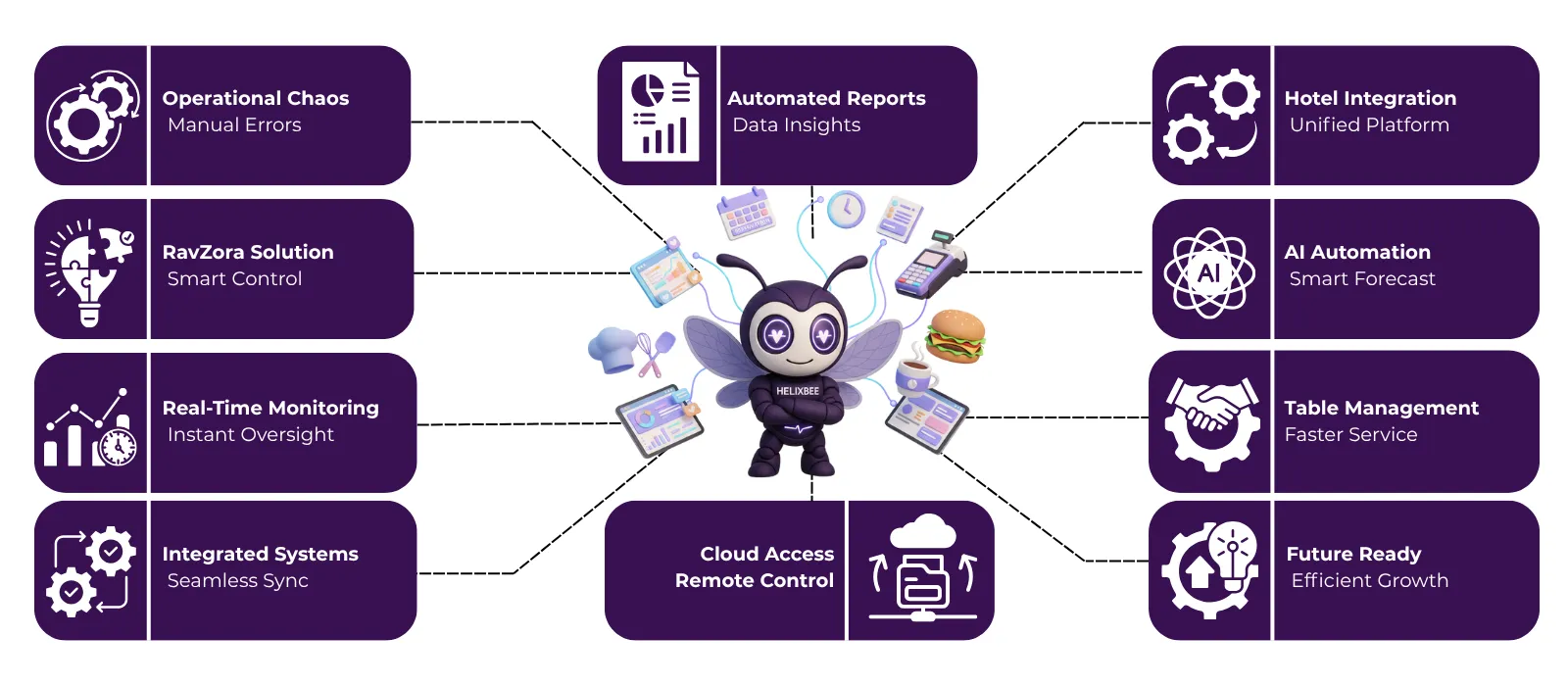
By using a restaurant till system software, owners get real-time reports, fewer errors, and happier customers. In this blog, we’ll look at how the best till system for restaurants helps businesses grow in 2025 and why now is the right time to switch to a smart restaurant till system.
What Is Restaurant Till Software and Why It Matters in 2025
In 2025, the need for restaurant till system software has grown because restaurants now deal with dine-in, takeaway, and online orders all at once. Using till software for restaurants saves time, reduces manual errors, and improves customer service. It helps owners stay organized, make better business decisions, and keep up with changing technology — making it a must-have for every modern restaurant.
Restaurant Till System vs Traditional Billing: What’s the Difference?
| Aspect | Restaurant Till System Software | Traditional Billing System |
| Billing Process | Automatically calculates totals, taxes, and discounts with one click. | Requires manual entry of prices and taxes, increasing chances of errors. |
| Speed of Service | Processes multiple orders instantly and supports digital payments. | Slower due to manual entry and physical cash handling. |
| Order Management | Syncs directly with kitchen display systems for real-time updates. | Orders are passed verbally or on paper, causing delays and confusion. |
| Data & Reports | Generates detailed daily, weekly, and monthly reports automatically. | Reports must be prepared manually, often lacking accuracy and detail. |
| Integration | Connects with online ordering apps, accounting software, and CRM tools. | Works as a standalone system with no external connectivity. |
| Multi-Branch Control | Manages several outlets from one cloud dashboard. | Each outlet operates independently, requiring separate data tracking. |
| Customer Experience | Supports quick checkouts, e-receipts, and loyalty programs. | Longer billing times and paper receipts slow down customer flow. |
| Security | Uses encrypted cloud storage to protect transaction data. | Paper or local records are vulnerable to loss or misuse. |
| Scalability | Can be upgraded with new modules as business grows. | Difficult to expand; requires manual setup and additional machines. |
How the Best Till System Helps Restaurants Grow in 2025 and Beyond
Running a restaurant today is not just about great food; it’s about smart systems that make daily operations faster, smoother, and more profitable. Here’s how the best till system for restaurants is helping modern businesses grow in 2025 and beyond:
1. Faster Billing and Shorter Wait Times
The best till system for restaurants speeds up every order by automating billing, tax calculation, and payment processing. It supports multiple payment modes — UPI, cards, wallets, or cash — helping customers check out quickly. This not only improves table turnover but also boosts customer satisfaction during peak hours.
2. Smarter Sales and Performance Insights
Modern restaurant till software tracks every sale in real time and turns the data into easy-to-read reports. Owners can instantly see which dishes sell best, which hours bring the most revenue, and where losses occur. These insights help make smarter business decisions and plan better menu pricing strategies.
According to Hospitality Tech Review 2025, restaurants using data-driven till reports experience a 25% increase in overall profit margins within six months.
3. Seamless Online and Offline Integration
In 2025, restaurants operate both offline and online. A powerful restaurant till system software connects dine-in billing with food delivery platforms like Swiggy or Zomato. This unified setup helps restaurants manage all orders — dine-in, takeaway, and delivery from one dashboard without switching between apps.
Integrated till systems have helped restaurants reduce order confusion and delays by 35%, according to a 2025 FoodTech Report.
4. Better Inventory and Cost Control
With real-time tracking, till software for restaurants monitors ingredient usage and stock levels automatically. When supplies run low, it sends alerts and even generates purchase orders. This prevents wastage, saves money, and ensures that your kitchen always runs smoothly.
Studies show restaurants using automated till-linked inventory control have achieved 20–30% reduction in food waste annually (Culinary Business Index, 2025).
5. Multi-Outlet Management Made Simple
For growing restaurant chains, managing multiple outlets can be tricky. A cloud-based restaurant till system lets owners track every branch’s performance, staff activity, and sales data from anywhere. It helps maintain consistent pricing, menu updates, and offers, ensuring smooth operations across all locations.
Multi-outlet restaurants using centralized till systems report a 32% improvement in operational efficiency and smoother cross-branch coordination (F&B Digital Report, 2025).
The best till system for restaurants isn’t just a billing tool; it’s a complete growth engine that helps restaurants scale faster, reduce errors, and improve profits in 2025 and beyond.
5 Important Features That Make Restaurant Till System Software Essential
Running a restaurant smoothly requires tools that go beyond simple billing. A restaurant till system software brings together everything from orders and payments to staff and reports — under one platform. Here are five key features that make it essential in 2025:
1. Unified Billing and Order Management
A restaurant till system software combines billing, order tracking, and payment processing on a single platform. This helps staff handle dine-in, takeaway, and online orders without switching between systems.
2. Real-Time Inventory Tracking
With built-in inventory control, restaurant till software automatically updates ingredient levels after each sale. It helps prevent stockouts, reduces waste, and keeps the kitchen running smoothly.
3. Cloud-Based Access and Reporting
4. Multi-Payment and Digital Integration
The best till system for restaurants supports various payment methods, including UPI, cards, QR codes, and digital wallets, making transactions faster and more convenient for customers.
5. Staff and Role Management
Restaurant owners can assign user roles, track staff performance, and monitor logins securely. This keeps accountability high and prevents unauthorized access to sensitive data within the restaurant till system.
In short, these features make till software for restaurants a vital part of daily operations, helping businesses save time, reduce errors, and deliver a smooth dining experience every single day.
When Should You Upgrade Your Restaurant Till Software?
Every restaurant eventually reaches a point where its old billing system can’t keep up with the pace of operations. If you notice these signs, it’s time to switch to a smarter restaurant till software:
1. Frequent Billing Errors
2. Limited Payment Options
3. No Real-Time Reports
4. Poor Integration
5. Hard to Manage Multiple Outlets
Upgrading to a modern restaurant till system means smoother operations, faster service, and better control — helping your restaurant grow confidently in 2025 and beyond.
Advantages of Using Restaurant Till Software
Using a restaurant till software isn’t just about upgrading technology — it’s about creating a smoother, faster, and more profitable way to run your business. Here are the top advantages every restaurant can experience:
1. Faster and Accurate Billing
2. Improved Customer Experience
3. Centralized Control:
4. Detailed Business Insights
5. Reduced Operational Costs
In short, adopting a restaurant till system turns your daily operations into an efficient, data-driven process — saving time, reducing effort, and helping your restaurant grow confidently in 2025 and beyond.
Why Top Restaurants Choose RavZora Till Software
1. All-in-One Platform
2. Omnichannel Operations
3. Cloud-Based Access
4. Plug-and-Play Integrations
5. 24/7 Support
In short, RavZora stands out as one of the best till systems for restaurants because it combines speed, accuracy, and flexibility — everything a growing restaurant needs to stay ahead in 2025.