


Data Warehousing
Get Started with a Free Demo
New Keyword Page
New Keyword Page
"*" indicates required fields
Data starts piling up long before most businesses realize it has become a problem. Reports stop matching; dashboards tell different stories, and leadership decisions begin to rely more on assumptions than clarity.
This is where data warehousing quietly transforms how Indian businesses operate. Instead of information being scattered across tools and teams, data becomes structured, reliable, and ready for analysis.
For organizations managing growth, compliance, and performance simultaneously, this shift is no longer optional. Data warehousing lays a strong foundation for data analytics, business intelligence, and long-term planning—without chaos.
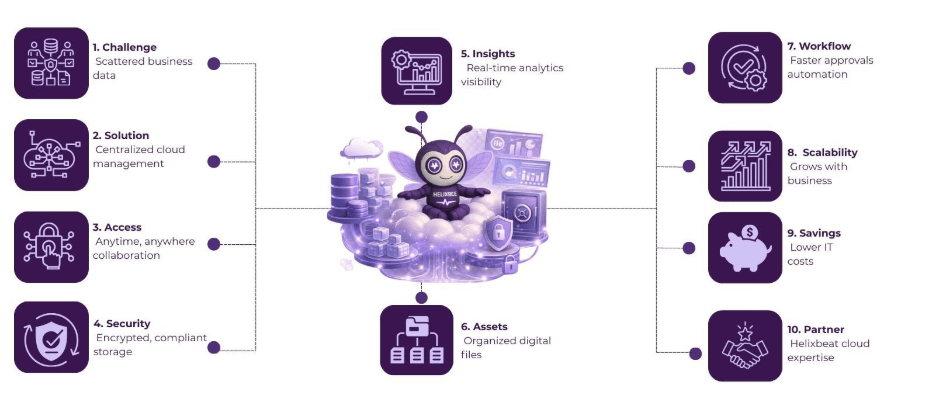
Data warehousing matters more than most businesses expect
Data warehousing is not just a technical storage decision; it directly influences how Indian organizations think, plan, and act. When implemented correctly, it turns everyday data into a reliable business asset.
Turning scattered business data into clarity
Indian businesses rely on multiple systems for finance, sales, HR, operations, and customer engagement. Data warehousing brings all this information into one structured environment, reducing confusion and minimizing time spent on manual reconciliation.
Supporting long-term business analysis in data warehousing
Business analysis in data warehousing allows leadership teams to track trends over time rather than relying on isolated snapshots. As a result, Indian organizations can plan growth, manage risk, and allocate budgets with greater confidence.
Why centralization works
Internal analytics studies across Indian enterprises show that centralized data environments reduce reporting errors by over 30% and cut decision turnaround time by nearly 40%.
Understanding the real need for data warehousing as businesses grow
The need for data warehousing often becomes clear when business growth begins to strain existing systems. At this stage, traditional reporting methods struggle to keep up with scale and complexity.
Managing growth without operational slowdowns
As Indian companies expand, transactional systems are not designed to handle heavy analytics workloads. Data warehousing separates reporting from daily operations, keeping core systems fast, stable, and reliable.
Eliminating data silos across departments
Sales, finance, and operations frequently operate with different versions of the same data. Data warehousing and management unify these views, creating a single source of truth across the organization.
Meeting compliance and audit expectations
Indian organizations face increasing regulatory scrutiny and internal audits. A structured data warehouse simplifies historical reporting, traceability, and validation, making compliance far easier to manage.
How data analytics and data warehousing work better together
Data analytics and data warehousing are most effective when they function as a single, connected foundation. Without structure, analytics lose accuracy and reliability.
Preparing clean data for meaningful analytics
Raw data from business systems is rarely analysis ready. Data warehousing standardizes formats, removes inconsistencies, and prepares clean datasets that analytics teams can trust.
Faster insights for Indian market decisions
With centralized data, analytics teams can generate insights more quickly. This enables Indian businesses to respond faster to pricing shifts, demand changes, and emerging operational risks.
Analytics-driven performance
Organizations using structured data warehousing with analytics report up to 25% faster strategic decision-making compared to spreadsheet-based reporting methods.
Data Warehousing and Management for Business Reliability
Strong data warehousing and management practices ensure that data remains usable, secure, and scalable as organizations grow. This balance is essential for long-term reliability.
Governing data without slowing teams
Data management within a warehouse defines who can access what information without creating bottlenecks. This approach balances control with usability for Indian organizations.
Maintaining data quality at scale
As data volumes increase, quality issues multiply. Data warehousing enforces validation rules that prevent inaccurate reports and conflicting business metrics.
Securing sensitive business information
Indian businesses manage financial, customer, and operational data daily. Centralized data warehousing simplifies access control, monitoring, and risk management across the organization.
How business analysis evolves with structured data warehousing
Business analysis in data warehousing shifts organizations from reactive reporting to proactive planning. This evolution strengthens decision-making at every level.
Tracking performance across time and regions
Indian organizations operating across cities or states benefit from historical comparisons made possible by data warehousing, helping identify performance patterns and regional trends.
Supporting leadership with reliable insights
Leadership teams rely on accurate summaries rather than raw data. Data warehousing structures information specifically for executive-level business analysis and strategic review.
Stats that build trust in data-led planning
Enterprises using mature data warehousing models report higher forecast accuracy, often improving planning reliability by over 20%.
What a modern data warehousing setup looks like
A modern data warehousing setup provides structure, clarity, and efficiency, helping Indian businesses manage data with confidence. Understanding the components makes the value of data analytics and data warehousing clear.
Component | Purpose | Business Value |
Data Sources | ERP, CRM, finance, operations | Captures complete business activity |
ETL / ELT Layer | Data extraction and transformation | Cleans and standardizes data |
Central Data Warehouse | Structured data storage | Single source of truth |
Analytics Layer | BI tools and dashboards | Enables insights and reporting |
Access & Governance | Roles and permissions | Secures sensitive data |
Why Helixbeat is trusted for data warehousing in India
With Helixbeat, Indian organizations can address the need for data warehousing while aligning solutions with real business challenges. Our approach ensures practical, results-driven outcomes.
Built for Indian operational complexity
Helixbeat understands multi-system environments common in Indian organizations and designs warehouses that integrate smoothly, reducing operational friction.
Focused on business outcomes, not tools
Rather than pushing platforms, Helixbeat aligns data analytics and data warehousing with reporting, analytics, and management goals, ensuring measurable business value.
End-to-end support from strategy to execution
From defining the need for data warehousing to ongoing optimization, Helixbeat supports Indian businesses at every stage, ensuring long-term efficiency and reliability.
Take control of your business data
Structured data enables better decisions and stronger growth. Helixbeat helps Indian businesses move from fragmented data to actionable intelligence through scalable data analytics and data warehousing solutions.
Frequently Ask Questions
1. Why is health information exchange important in healthcare?
It improves care coordination, reduces duplicate tests, minimizes errors, and helps providers make timely, data-driven decisions across different healthcare settings.
2. What are the main models of health information exchange?
3. Which standards guide health information exchange?
Standards like FHIR and HL7 define consistent data formats, making it easier for EHRs, HIEs, and other healthcare platforms to exchange information.
4. What are the benefits of using health information exchange?
HIE improves care coordination, reduces healthcare costs, supports population health management, enhances research, and increases operational efficiency.
5. How does AERIS enhance healthcare information exchange?
AERIS leverages FHIR standards, connects legacy systems, automates workflows, reduces manual errors, and provides real-time access to patient records and lab results.
1. What is data warehousing used for in Indian businesses?
Data warehousing helps Indian organizations centralize data for reporting, analytics, and business analysis.
2. Is data warehousing suitable for mid-sized Indian companies?
Yes, many mid-sized Indian businesses adopt data warehousing to support growth and improve decision-making.
3. How does data analytics depend on data warehousing?
Data analytics relies on clean, structured data prepared through data warehousing and management processes.
4. What is the main need for data warehousing today?
The need for data warehousing arises from growing data volumes, reporting complexity, and compliance requirements.
5. Can data warehousing support multiple business units?
Yes, a well-designed data warehouse supports cross-department and multi-location analysis.
6. How long does it take to implement data warehousing?
Implementation timelines vary based on data sources, complexity, and business requirements.