

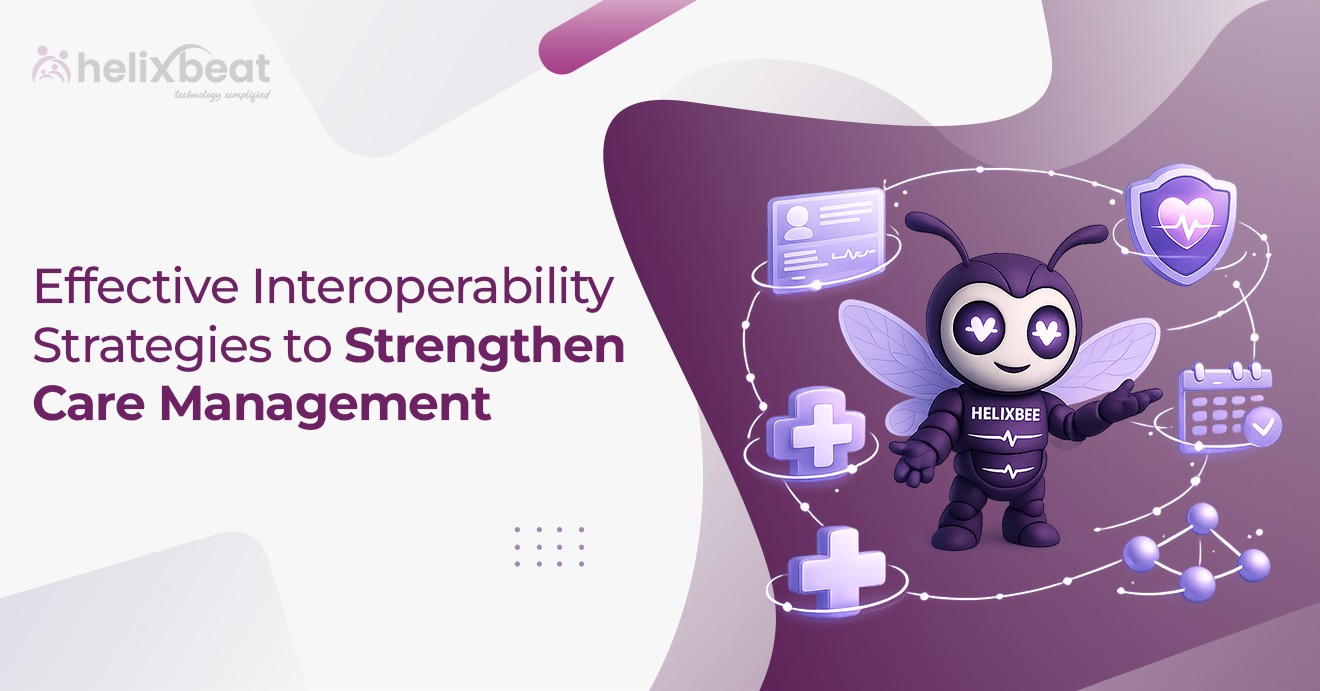
Interoperability in healthcare represents the ability of various information systems, devices, and applications to access, exchange, integrate, and use data in a coordinated way. This capability plays a key role in modern healthcare delivery. As healthcare systems evolve, interoperability in healthcare becomes vital for enhancing care coordination, reducing redundancies, and improving patient outcomes. According to estimates, functional interoperability contributes to increased efficiency and lower costs through mechanisms such as reducing adverse events and redundant testing.
In this blog, we explore strategies to implement interoperability in healthcare, drawing from established practices and frameworks to optimize care management processes.
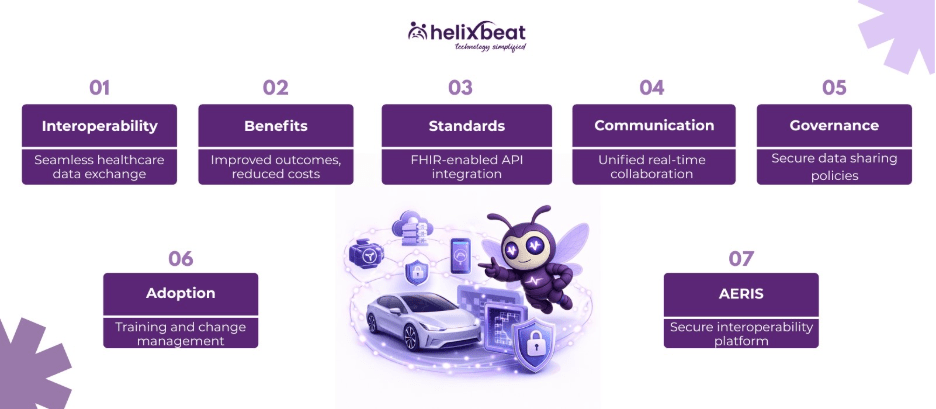
Table of Contents
Benefits of Interoperability in Healthcare for Care Management
Implementing interoperability in healthcare yields significant advantages for care management. Providers gain ready access to comprehensive patient information, which facilitates accurate diagnoses and personalized treatment plans. This access minimizes risks associated with incomplete data. Additionally, interoperability in healthcare streamlines operations by reducing administrative burdens. Estimates suggest that interoperability can shorten hospital stays by facilitating faster transmission of critical information like lab results, potentially saving billions in costs annually. For patients, interoperability empowers them to become active participants in their care, as they can contribute to and receive data from EHRs.
Overall, interoperability in healthcare enhances value by promoting continuous quality improvement and learning across the ecosystem. In care management, it supports efficient resource allocation, better chronic disease management, and proactive interventions.
Key Strategies for Achieving Effective Interoperability in Healthcare
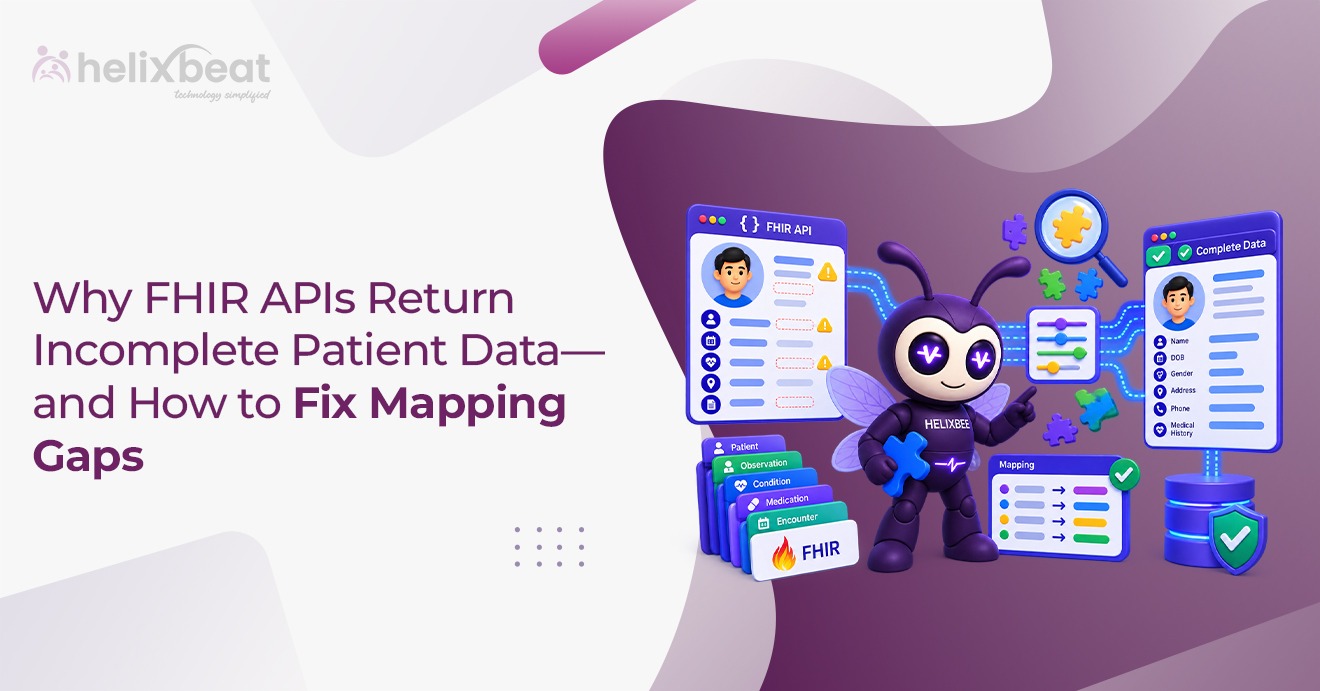
To strengthen care management through interoperability in healthcare, organizations should adopt targeted strategies based on proven frameworks. First, prioritize the adoption of interoperability standards. Standards like Fast Healthcare Interoperability Resources (FHIR) simplify data structuring and exchange across platforms, making it easier for systems to communicate effectively. Regulations such as the HTI-1 rule mandate FHIR-enabled APIs for sharing critical data elements with common vocabularies, which codifies essential information for patient care. When selecting health IT platforms, choose vendors that support these open standards and offer robust API integration capabilities.
Second, implement unified clinical communication platforms. By reducing silos and enabling real-time collaboration, these platforms centralize messaging and data sharing. APIs serve as digital messengers for real-time data exchange. You can build stronger ties with vendors like Helixbeat, who embrace open system integration.
Third, strengthen governance and data policies. Effective interoperability in healthcare requires clear policies on data sharing, privacy, and security to build trust among stakeholders. Public policy should encourage normalization processes and two-way electronic data sharing to optimize patient care. The CMS Interoperability Framework offers a voluntary blueprint for networks, emphasizing patient-first data exchange through open, standards-based approaches.
Fourth, invest in change management and training. Successful implementation involves educating staff on new systems and processes to maximize adoption. This includes addressing resistance and providing ongoing support to integrate interoperability into daily workflows. Cross-functional approaches, involving strategy, governance, and user engagement, prove important for long-term success. Therefore, organizations should set longer-term goals to enhance consumer engagement and evaluate risk management for data use.
How AERIS Makes Interoperability Possible in 2026?
Imagine a world where your healthcare organization thrives with seamless, secure, and real-time data exchange. That’s the power of AERIS by Helixbeat, a game-changing platform designed to transform how you connect, collaborate, and care. Built for healthcare providers, clinics, hospitals, and cross-industry partners like pharmacies and insurers, AERIS harnesses FHIR APIs to break down data silos, streamline operations, and put patient care first.
Ready to cut delays by 50%, double your ROI, and empower your team with instant access to critical data? Let’s dive into why AERIS is the solution you’ve been waiting for.
Why AERIS is Your Key to Healthcare Innovation?
At Helixbeat, we know your challenges: fragmented systems, delayed data, and rising costs. AERIS is here to change that, offering a personalized, scalable, and secure platform that fits your unique needs. Whether you’re a small clinic or a sprawling hospital network, AERIS delivers measurable results that elevate patient outcomes and boost your bottom line.
- 20+ Years of Expertise: Our team brings decades of healthcare IT experience to ensure AERIS works for you.
- 50+ IT Professionals: A dedicated crew powers AERIS, delivering unmatched support and innovation.
- 1,000+ Customers: Join a thriving community of healthcare leaders already transforming with AERIS.
- 10,000+ Projects Completed: Proven success across countless integrations and workflows.
- 95% Returning Customers: Our clients trust AERIS to deliver, time and time again.
Providers adopting AERIS report faster diagnoses, lower costs, and improved outcomes, positioning it as the go-to tool for future-proof HIE.
Your Benefits, Amplified
- 50% Fewer Delays: Real-time data means critical information is always at your fingertips, turning hours into seconds.
- 100% Faster ROI: Plug-and-play integration maximizes your investment without expensive system replacements.
- 30% Cost Savings, 90% Fewer Errors: Automation eliminates waste, saving resources and ensuring accuracy.
Final Thoughts
Interoperability in healthcare stands as a cornerstone for strengthening care management. By adopting standards, implementing robust APIs, strengthening governance, and investing in training, organizations can realize these benefits. As demonstrated through frameworks like TEFCA and FHIR, strategic approaches lead to seamless data exchange and enhanced care coordination. Moving forward, commitment to these strategies will support a more connected healthcare ecosystem, ultimately benefiting providers, patients, and payers alike.
If your organization is ready to modernize its interoperability framework, AERIS is an interoperability platform designed for secure, real-time data exchange. From hospitals and clinics to insurers and pharmacies, AERIS helps healthcare stakeholders eliminate silos, accelerate data sharing, and strengthen care management outcomes. Connect with Helixbeat today to transform how your organization exchanges data and delivers coordinated care.
FAQs
1. Why is interoperability important for care management?
It allows providers to access comprehensive patient data, leading to better coordination, faster diagnoses, improved chronic disease management, and reduced redundant testing.
2. What are FHIR standards in interoperability?
Fast Healthcare Interoperability Resources (FHIR) is a global standard for structuring and exchanging healthcare information through APIs, enabling systems to communicate efficiently.
3. How does interoperability reduce healthcare costs?
By minimizing duplicate tests, reducing administrative burden, shortening hospital stays, and preventing adverse events, interoperability contributes to cost savings across healthcare systems.
4. What is the role of APIs in healthcare interoperability?
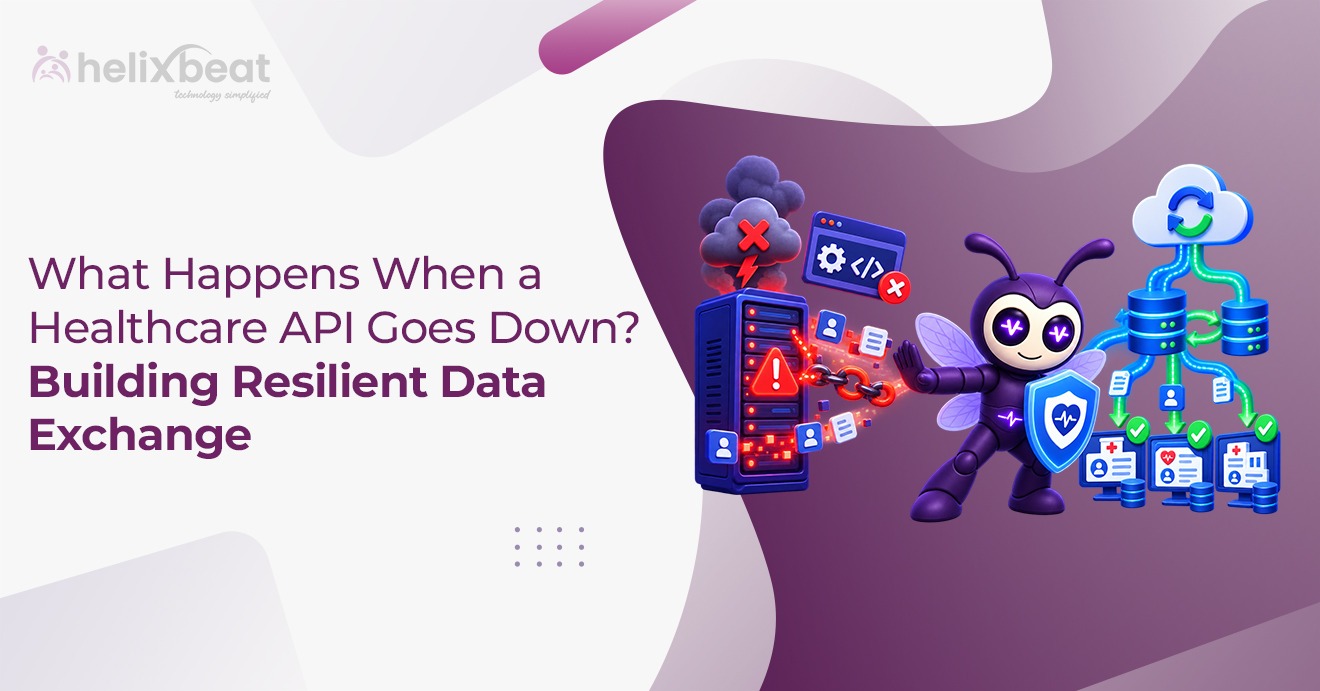
APIs act as connectors between systems, allowing real-time data exchange between EHRs, laboratories, pharmacies, and other healthcare platforms.
5. What challenges do healthcare organizations face when implementing interoperability?
Common challenges include legacy systems, data privacy concerns, lack of standardized formats, resistance to change, and integration complexity.