

Delayed payments from patients are one of the most pressing challenges facing healthcare providers today. Many medical and dental practices struggle to maintain a steady cash flow due to late or incomplete payments, which can disrupt operations, increase administrative costs, and even affect the quality of care. Fortunately, modern healthcare payment services are designed to address these issues, helping providers reduce payment delays while enhancing patient satisfaction.
In this blog, we will explore how healthcare payment services streamline billing, improve cash flow, and provide patients with convenient payment options, ultimately benefiting both providers and patients.
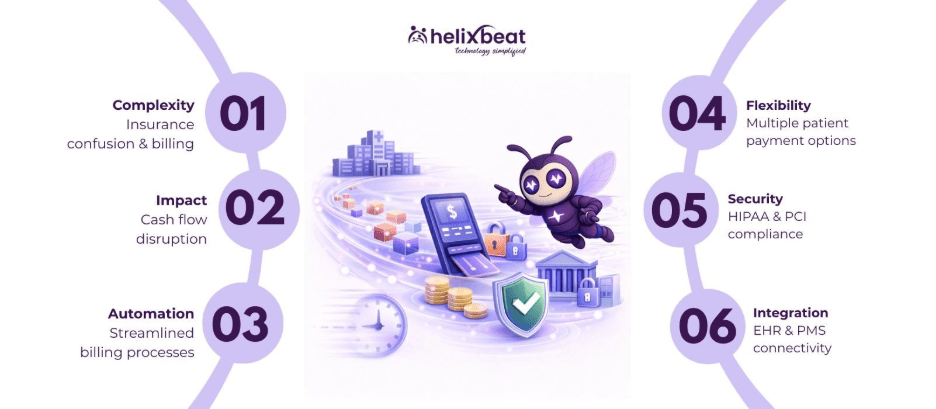
Table of Contents
Understanding Patient Payment Delays
Patient payment delays occur for a variety of reasons. Often, patients are faced with complex medical bills that include co-pays, deductibles, and charges not covered by insurance. According to recent studies, nearly 78% of healthcare providers report difficulties collecting patient payments within 30 days. These delays can create a domino effect: payroll struggles, delayed supplies, and reduced staff availability.
The complexity of insurance plans further complicates matters. Many patients have primary and secondary insurance coverage, and some costs fall entirely on the patient. Confusion regarding coverage leads to payment postponements. Here, healthcare payment services play a vital role in simplifying the process and reducing these delays.
Understanding the Financial Impact of Delayed Payments
A recent study found that 78% of healthcare providers cannot collect bills over $1,000 within 30 days. Delayed payments are more than an inconvenience—they can severely disrupt a practice’s financial stability.
Operational Strain
When payments are late, cash flow is interrupted, making it difficult to cover payroll, order supplies, or manage essential expenses. For instance, a dental practice may be unable to purchase materials on time, causing delays in patient care. Reduced funds can also force staff cuts, directly affecting the quality of services provided.
Increased Administrative Costs
Chasing overdue payments requires additional resources. Practices may need to hire extra staff or pay overtime to manage collections, further straining finances during already tight cash flow periods.
Loss of Revenue
Delayed payments increase the risk of bad debt, missed collection opportunities, and sometimes complete non-payment. On average, providers recover only about 60% of outstanding balances.
Hidden Costs Beyond Finances
Persistent delays can damage patient relationships. Frequent payment reminders may frustrate patients, and studies show 63% may switch providers due to poor payment experiences. Financial strain can also limit investments in equipment, staff, or treatments, resulting in longer wait times and reduced care quality—ultimately affecting a practice’s reputation and patient loyalty.
The Role of Healthcare Payment Services
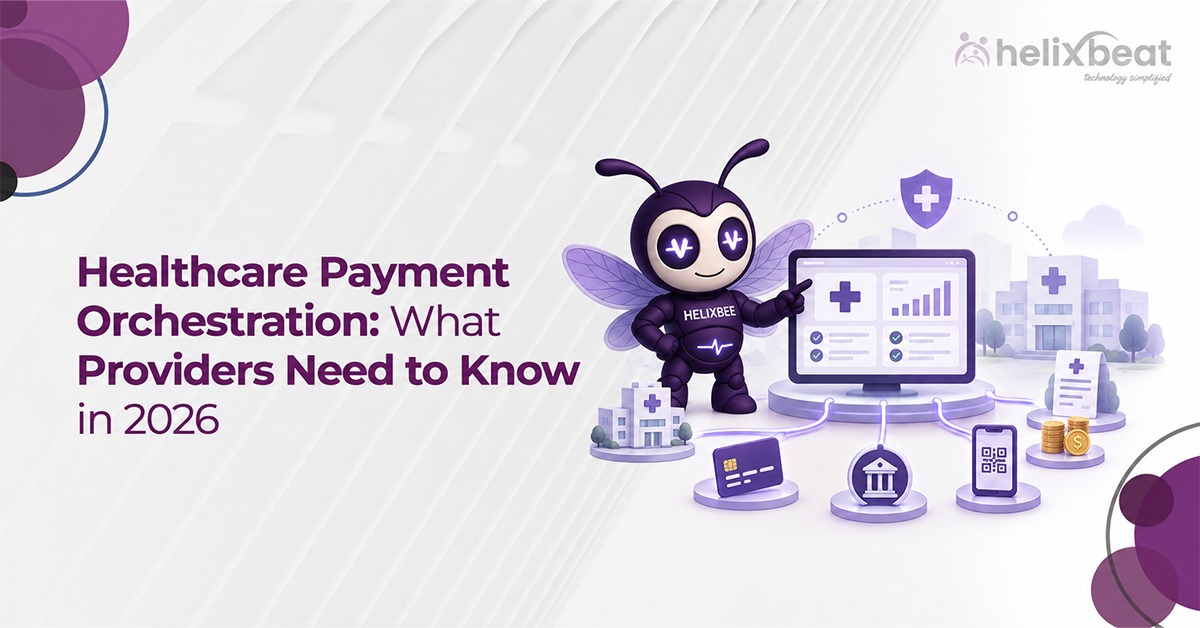
Healthcare payment services are specialized platforms designed to handle the financial transactions between patients, insurance companies, and providers. These services streamline billing, automate collections, and provide multiple payment options for patients, ensuring that providers receive payments faster and more reliably.
At the core, these services address three critical areas:
- Streamlining billing and collections
- Providing payment flexibility for patients
- Ensuring regulatory compliance and security
By focusing on these areas, healthcare payment services help providers reduce payment delays, minimize administrative burden, and improve patient satisfaction.
How Streamlined Billing Reduces Delays
One of the most significant ways healthcare payment services reduce payment delays is by automating and centralizing billing processes.
Centralized Payment Processing: Many practices struggle with managing payments from multiple sources. A dedicated payment platform consolidates insurance reimbursements, patient payments, and third-party transactions into a single system. This reduces administrative complexity and ensures timely reconciliation.
Automated Billing and eReminders: With automated billing, patients receive clear, itemized statements directly via email, text, or through patient portals. Automated reminders encourage timely payment without the need for manual follow-ups. Practices using healthcare payment services report a marked decrease in late payments due to these automated notifications.
Error Reduction: Mistakes in coding or billing often lead to claim denials and delayed reimbursements. Healthcare payment services integrate with Electronic Health Records (EHR) and Practice Management Systems (PMS), automatically generating accurate bills and reducing errors. By eliminating manual processes, providers can collect payments faster and avoid disputes.
Providing Payment Flexibility for Patients
A recent study found that 78% of healthcare providers are unable to collect bills exceeding $1,000 within 30 days. Delayed payments go beyond being a mere inconvenience—they can severely impact the financial stability of your practice. Let’s take a closer look at how these delays affect your finances.
Patients are more likely to pay promptly when they are offered multiple payment options and clear instructions.
Multiple Payment Methods: Platforms such as PayNova allow patients to pay using credit/debit cards, bank transfers, digital wallets, and automated recurring payments. By offering flexibility, healthcare payment services make it convenient for patients to settle their bills without unnecessary delay.
Payment Plans for High Out-of-Pocket Costs: Many patients face large bills that they cannot pay in full immediately. Healthcare payment services enable providers to set up customized payment plans, allowing patients to pay in installments. This reduces the risk of non-payment while maintaining a positive relationship between patients and providers.
Patient Portals and Transparency: Clear, itemized bills accessible through secure patient portals improve transparency. Patients can track their payment history, understand charges, and manage their accounts easily. Services that enhance clarity reduce confusion and, therefore, payment delays.
Impact on Cash Flow
Delayed patient payments can significantly affect a practice’s cash flow, which in turn impacts its ability to operate efficiently. Healthcare payment services play a crucial role in maintaining financial stability by:
- Ensuring faster collections from patients and insurance companies
- Supporting recurring payments to stabilize cash flow
- Automating reconciliation and reporting to identify outstanding balances quickly
For example, a dental clinic that uses healthcare payment services can receive automated payments directly after insurance reimbursement. Staff no longer need to chase late payments, freeing them to focus on patient care. This efficiency also prevents cash flow interruptions that could delay payroll or necessary medical purchases.
Compliance and Security
In addition to speeding up payments, healthcare payment services ensure compliance with industry regulations, which is critical for patient trust and legal protection.
HIPAA Compliance: Patient financial data is sensitive. Services like PayNova encrypt information to comply with the Health Insurance Portability and Accountability Act (HIPAA). This ensures that patient details are secure during transmission and storage.
PCI-DSS Compliance: Payment Card Industry Data Security Standards (PCI-DSS) protect card transactions. Healthcare payment services incorporate these standards to prevent fraud, ensuring both patients and providers are safe from unauthorized transactions.
Fraud Prevention: With secure, encrypted systems and fraud detection, providers can reduce the risk of payment disputes and chargebacks, further reducing delays and administrative burdens.
Integration with Existing Systems
Modern healthcare payment services integrate seamlessly with EHR, PMS, and telehealth platforms. This integration allows:
- Automatic pulling of patient data for accurate billing
- Verification of insurance coverage in real-time
- Automated preauthorization for services covered by insurance
By connecting payment systems with existing healthcare operations, providers can avoid errors that often cause delays. For instance, real-time insurance verification ensures patients are billed accurately, reducing disputes and late payments.
Benefits Beyond Payment Collection
While the primary goal of healthcare payment services is to reduce patient payment delays, the benefits extend far beyond collections:
- Enhanced Patient Experience: By simplifying payment processes, patients feel empowered and less frustrated, increasing loyalty and satisfaction.
- Reduced Administrative Burden: Staff spend less time on billing, follow-ups, and reconciliation, allowing them to focus on patient care.
- Improved Financial Reporting: Providers can generate detailed financial reports in real-time, track outstanding payments, and make informed business decisions.
- Support for Telehealth and Remote Services: Payment systems adapted for virtual care allow patients to pay easily for remote consultations, digital prescriptions, and telemedicine services.
Real-World Example: Reducing Payment Delays with PayNova
Consider a mid-sized medical practice facing frequent patient payment delays due to complex insurance policies and large out-of-pocket costs. By implementing healthcare payment services like PayNova:
- Automated billing reduced administrative hours by 30%
- Recurring payment plans decreased late payments by 40%
- Integration with EHR minimized coding errors and denied claims
- Patient portals improved transparency, leading to faster payments
This example demonstrates that healthcare payment services not only improve cash flow but also enhance the overall patient experience.
Common Challenges Addressed by Healthcare Payment Services
- Complex Billing Processes: Automates coding, insurance claims, and patient invoicing.
- Delayed Payments: Provides multiple payment options, recurring payments, and automated reminders.
- Insurance Verification Issues: Real-time verification prevents claim denials.
- Regulatory Compliance: HIPAA and PCI-DSS ensure secure and compliant payments.
- Patient Confusion: Clear, itemized bills reduce disputes and delays.
- Fragmented Revenue Streams: Integrates all payment sources into one system.
- Administrative Burden: Reduces manual processing, freeing staff for care delivery.
- Fraud Prevention: Secure encryption and fraud detection minimize risks.
- Telehealth Integration: Supports seamless payment for remote healthcare services.
By addressing these issues, healthcare payment services allow providers to focus on patient care instead of chasing payments.
Conclusion
In the modern U.S. healthcare system, patient payment delays create operational challenges, financial strain, and administrative burdens for providers. Healthcare payment services provide an effective solution by streamlining billing, offering multiple payment methods, enabling recurring payment plans, ensuring regulatory compliance, and integrating with existing healthcare systems.
By adopting these services, providers can reduce late payments, improve cash flow, and enhance the patient experience. The automation, transparency, and security offered by healthcare payment services allow healthcare professionals to focus on what truly matters—delivering quality care—while ensuring their financial health remains stable.
Schedule a demo today to learn more about how this innovative billing, payments, and collection software can safeguard your practice’s financial health.
FAQs
1. What are healthcare payment services?
Healthcare payment services are specialized platforms that manage billing, insurance claims, and patient payments for healthcare providers.
2. How do healthcare payment services reduce patient payment delays?
They automate billing, offer multiple payment methods, and provide patient portals and reminders, encouraging timely payments.
3. Can these services integrate with existing healthcare systems?
Yes. They integrate with EHR, PMS, and telehealth platforms, ensuring accurate billing and insurance verification.
4. Are healthcare payment services secure and compliant?
Absolutely. They follow HIPAA and PCI-DSS regulations, encrypt patient data, and include fraud detection to protect sensitive information.
5. How do healthcare payment services benefit patients?
Patients gain transparency with itemized bills, flexible payment plans, multiple payment options, and easier online or mobile payments.