

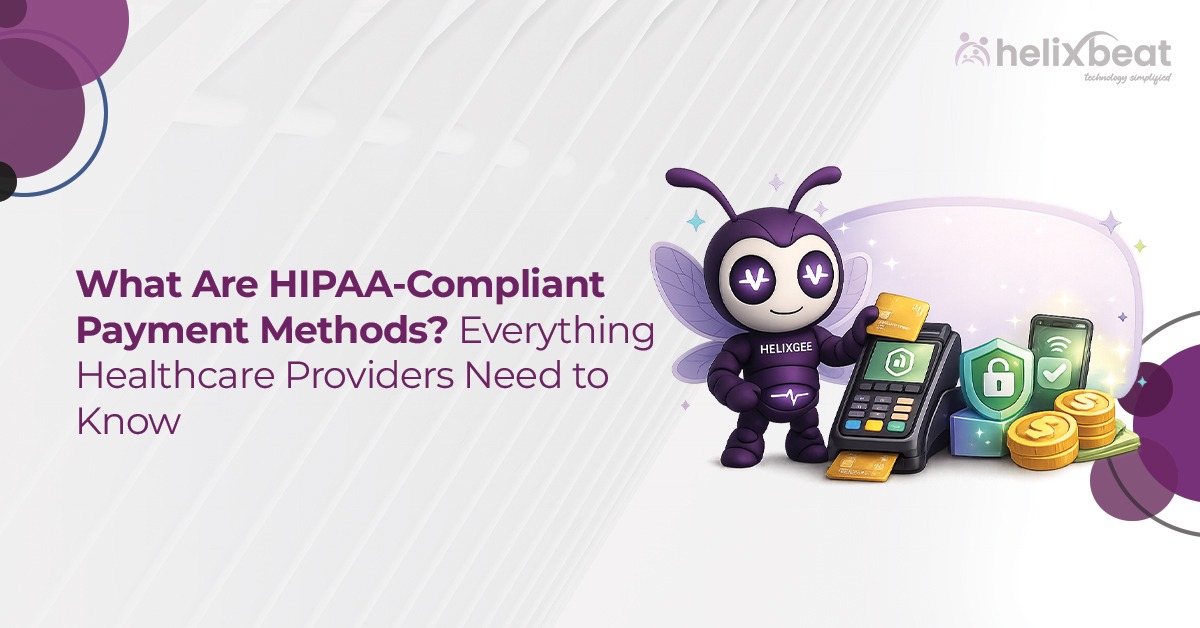
The U.S. healthcare industry is rapidly moving toward digital-first experiences, but with that shift comes one non-negotiable requirement: protecting patient data. Payment systems are no exception. For healthcare providers, choosing the right hipaa compliant payment methods is essential—not just for regulatory reasons, but for trust, efficiency, and long-term financial stability.
In this guide, we’ll break down what hipaa compliant payment methods are, when they were introduced, the different types available, and how providers can choose the most secure options for their practice.
Table of Contents
Understanding HIPAA and Its Role in Payments
The Health Insurance Portability and Accountability Act (HIPAA) was introduced in 1996 to safeguard sensitive patient data, including Protected Health Information (PHI). While HIPAA initially focused on medical records, its scope has expanded to include any system that handles patient data—including payments.
This is where hipaa compliant payment methods come in. These systems ensure that both financial data and PHI are protected through advanced technologies like encryption, tokenization, and strict access controls.
Today, hipaa compliant payment methods are not optional—they are a foundational requirement for any healthcare provider handling patient payments in the U.S.
What Are HIPAA-Compliant Payment Methods?
So, what are HIPAA-compliant payment methods in healthcare?
They are payment systems designed to securely process transactions while protecting PHI and complying with HIPAA regulations. These methods ensure that sensitive information is never exposed, misused, or stored insecurely.
At their core, hipaa compliant payment methods rely on:
- Encryption (data protection in transit and at rest)
- Tokenization (replacing card details with secure tokens)
- Secure authentication and access controls
- Business Associate Agreements (BAAs) with vendors
Without these safeguards, payment systems can become major points of vulnerability.
Key Components of HIPAA-Compliant Payment Systems
To truly qualify as hipaa compliant payment methods, systems must meet several critical requirements:
1. Business Associate Agreement (BAA)
A BAA is a legal contract between healthcare providers and payment vendors. It ensures the vendor is responsible for protecting PHI. Any system claiming to offer hipaa compliant payment methods must provide this agreement.
2. Encryption and Tokenization
Encryption ensures data is unreadable during transmission and storage, while tokenization replaces sensitive data with random identifiers. Together, they form the backbone of secure payment processing.
3. PCI DSS Compliance
Payment systems must also comply with PCI DSS standards. This ensures hipaa credit card processing is secure and protected against fraud.
4. No PHI in Payment Records
Receipts, invoices, and confirmations must never include sensitive medical details. This is a crucial part of patient payment security.
Types of HIPAA-Compliant Payment Methods
Healthcare providers today have access to a wide range of hipaa compliant payment methods. Each serves different use cases while maintaining strict compliance.
1. Credit and Debit Card Payments
Modern hipaa credit card processing uses encrypted systems and tokenization to protect cardholder data. EMV-enabled terminals (chip-based) provide additional layers of security.
This is one of the most widely used hipaa compliant payment methods, especially for in-person transactions.
2. Secure Online Payment Portals
Platforms like PayNova enable patients to pay bills online through encrypted portals.
These portals improve secure payment processing by:
- Allowing patients to view itemized bills
- Offering multiple payment options
- Ensuring full healthcare payment compliance
They are among the most efficient secure payment methods for healthcare providers USA.
3. ACH and eCheck Payments
Direct bank transfers are another reliable option. ACH payments reduce transaction costs while maintaining strong patient payment security.
These are ideal for recurring billing and large payments, making them a core part of hipaa compliant payment methods.
4. Mobile and Contactless Payments
Contactless payments like Apple Pay use tokenization, making them highly secure. These systems enhance secure payment processing while improving patient convenience.
As digital adoption grows, they are becoming increasingly popular among hipaa compliant payment methods.
5. Recurring Billing Systems
Recurring billing allows providers to securely store payment credentials (tokenized) for ongoing payments.
This is especially useful for:
- Subscription-based care
- Long-term treatment plans
- Payment plans
It strengthens healthcare financial compliance while ensuring steady cash flow.
6. Cash Payments (Handled Carefully)
While cash itself doesn’t involve digital risk, documentation must still comply with HIPAA. Even here, hipaa compliant payment methods require careful handling to avoid exposing PHI.
Payment Methods to Avoid
Not all payment systems are safe. Some methods directly violate healthcare payment compliance standards.
Avoid:
- Sending card details via SMS or email
- Using unsecured apps like Venmo or PayPal without a BAA
- Storing card data in spreadsheets or local systems
These practices compromise patient payment security and can lead to serious compliance violations.
Why HIPAA-Compliant Payment Methods Matter
Choosing the right hipaa compliant payment methods is about more than avoiding penalties. It directly impacts your practice’s efficiency and reputation.
1. Improved Patient Trust
Patients are more likely to pay promptly when they trust your system. Strong patient payment security builds confidence.
2. Faster Payments
Digital systems reduce delays, improving secure payment processing and cash flow.
3. Reduced Administrative Burden
Automation minimizes manual work, helping staff focus on care rather than billing.
4. Regulatory Protection
Following healthcare financial compliance standards protects your organization from legal risks.
How to Choose HIPAA-Compliant Payment Solutions
If you’re wondering how to choose HIPAA-compliant payment solutions, focus on these key factors:
Integration with EHR Systems
Your payment system should integrate seamlessly with your Electronic Health Records. This ensures accuracy and supports healthcare payment compliance.
Security Features
Look for:
- End-to-end encryption
- Tokenization
- Multi-factor authentication
These are essential for secure payment processing.
Vendor Compliance
Ensure your vendor provides:
- A signed BAA
- PCI DSS compliance
- Proven expertise in hipaa credit card processing
Patient Experience
The best hipaa compliant payment methods are also user-friendly. Features like mobile payments and flexible plans improve adoption.
The Role of PayNova in HIPAA-Compliant Payments
Solutions like PayNova are designed specifically for healthcare providers navigating complex payment environments.
PayNova helps providers:
- Enable fully hipaa compliant payment methods
- Ensure end-to-end secure payment processing
- Maintain complete healthcare financial compliance
- Offer flexible, patient-friendly payment options
With built-in encryption, tokenization, and seamless EHR integration, platforms like PayNova simplify compliance while improving operational efficiency.
The Future of Healthcare Payment Compliance
The future of healthcare payments is digital, automated, and patient-centric. As telehealth and remote care grow, the demand for secure payment methods for healthcare providers USA will only increase.
Emerging trends include:
- AI-driven fraud detection
- Real-time insurance verification
- Contactless and mobile-first payments
In this evolving landscape, adopting advanced hipaa compliant payment methods is no longer optional—it’s a competitive advantage.
Final Thoughts
Understanding and implementing hipaa compliant payment methods is critical for every healthcare provider in the U.S. From protecting sensitive data to improving patient experience, these systems play a vital role in modern healthcare operations.
By choosing the right solutions, focusing on secure payment processing, and ensuring full healthcare payment compliance, providers can reduce risk, improve efficiency, and deliver better financial experiences to patients.
If you’re evaluating HIPAA-compliant credit card processing for medical practices or exploring secure payment methods for healthcare providers USA, now is the time to invest in a system that aligns with both compliance and convenience.
In a system where trust and data security are everything, the right payment method isn’t just a tool—it’s a necessity
FAQs
1. What are HIPAA-compliant payment methods in healthcare?
HIPAA compliant payment methods are systems that protect patient data using encryption, tokenization, and secure access controls while ensuring full healthcare payment compliance.
2. Why is HIPAA credit card processing important for healthcare providers?
HIPAA credit card processing ensures that patient financial data and PHI are securely handled, reducing fraud risks and maintaining healthcare financial compliance.
3. What are the most secure payment methods for healthcare providers USA?
The most secure payment methods for healthcare providers USA include encrypted card terminals, secure payment portals, ACH transfers, and tokenized mobile payments.
4. How to choose HIPAA-compliant payment solutions for your practice?
To choose HIPAA-compliant payment solutions, look for BAA support, secure payment processing features, EHR integration, and strong patient payment security measures.