

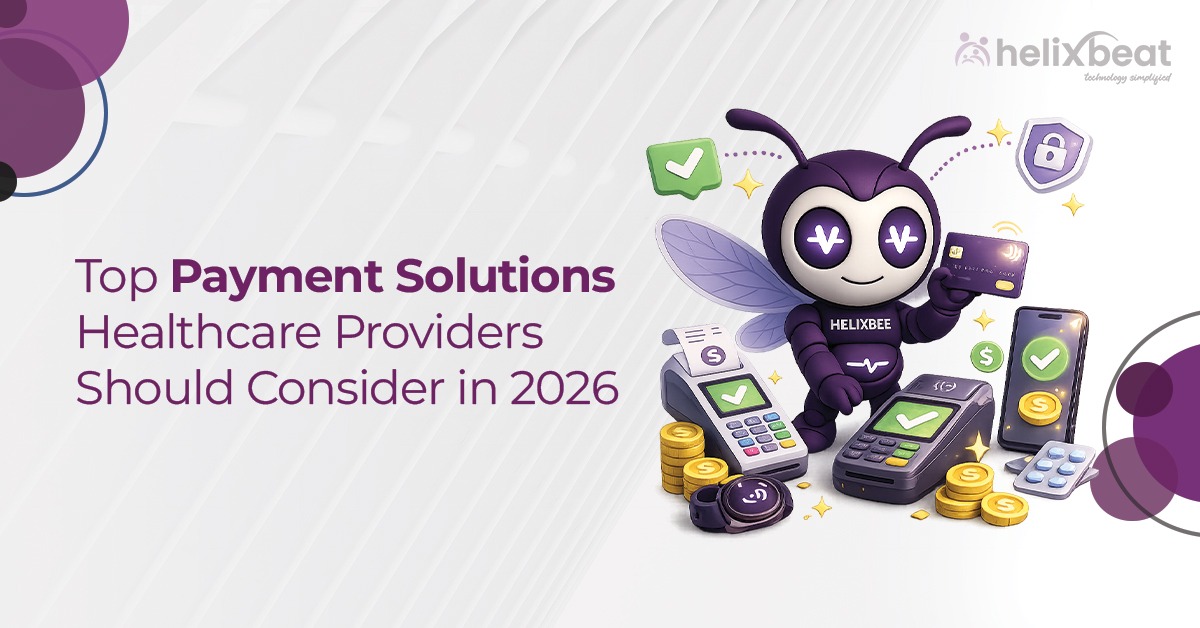
The healthcare industry is evolving faster and so are the demands on providers to manage payments efficiently. With rising patient costs, complex insurance claims, and regulatory requirements, healthcare organizations need robust, secure, and patient-centric systems. This is why payment solutions healthcare providers can trust have become indispensable.
In 2026, the best platforms not only streamline billing but also ensure regulatory compliance, improve patient experiences, and leverage AI and IoT for smarter revenue management. This article explores the top payment solutions healthcare teams should consider this year, the emerging trends, and how platforms like PayNova are reshaping financial workflows for providers.
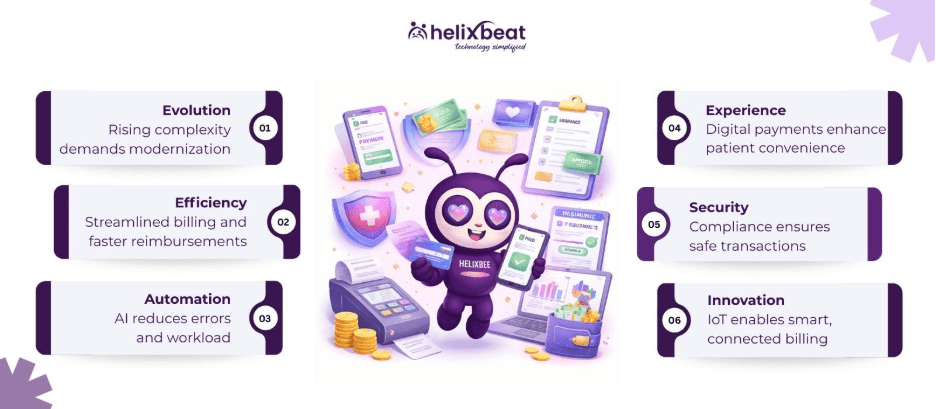
Table of Contents
Why Modern Payment Solutions Are Essential
Healthcare billing is more complicated than ever. Providers must coordinate payments from patients, insurance companies, government programs like Medicare and Medicaid, and third-party payers. Traditional manual systems often lead to delays, errors, and frustrated patients.
Modern payment solutions healthcare providers are adopting address these challenges by:
- Streamlining revenue cycle management (RCM)
- Reducing claim denials and payment delays
- Improving cash flow and financial forecasting
- Enhancing security and regulatory compliance (HIPAA, PCI-DSS)
- Offering patient-friendly payment options like digital wallets, payment plans, and online portals
In short, the right payment gateway transforms billing from a complex administrative task into a seamless, automated process.
Top Trends Shaping Healthcare Payment Solutions in 2026
Understanding market trends can help healthcare providers select the best payment solutions healthcare. Some of the major trends include:
1. AI-Powered Automation
Platforms like Claimocity and RXNT use artificial intelligence to automate coding, manage denials, and optimize charge capture. AI reduces administrative burdens, minimizes human error, and ensures faster reimbursements. Providers adopting AI-driven payment solutions healthcare can free up staff to focus on patient care rather than paperwork.
2. Integrated EHR and Billing Systems
Comprehensive platforms such as AdvancedMD, Aptarro, and PayNova combine electronic health records (EHR) with billing and claims management. This integration eliminates duplicate entries, accelerates insurance verification, and automates patient billing—offering the complete package for best electronic healthcare payment solution needs.
3. Digital Patient Payment Portals
Patients now expect digital-first experiences. Platforms with online, mobile, and contactless payment options improve convenience, reduce billing confusion, and increase collection rates. These portals allow patients to set up recurring payments, pay invoices instantly, and track their medical bills—all features increasingly offered by payment solutions healthcare providers.
4. Security and Compliance
With sensitive patient data in play, HIPAA and PCI-DSS compliance is critical. Top platforms prioritize encryption, secure transactions, and regulatory adherence to protect both patients and providers. Choosing compliant payment solutions healthcare ensures providers avoid legal risks and maintain patient trust.
5. Flexible Patient Financing Options
High-deductible plans are now common, and patients often struggle with out-of-pocket costs. Platforms like CareCloud and DrChrono offer flexible payment plans and financing, improving affordability and ensuring providers receive timely payments.
6. IoT and Connected Payments
The future of healthcare payments is increasingly connected. IoT-enabled devices, such as wearable monitors, can trigger automated billing for recurring treatments or telehealth consultations. By combining IoT with payment solutions healthcare, providers can reduce manual errors, streamline claim submissions, and gain insights from real-time financial data.
Top Healthcare Payment Gateways to Consider in 2026
Based on current market analysis, here are the leading platforms for providers:
1. PayNova (by HelixBeat)
PayNova is recognized as a premier choice for small to mid-sized providers. Its strengths include:
- Quick onboarding with minimal technical setup
- Full HIPAA and PCI-DSS compliance
- Seamless integration with EMRs and telehealth platforms
PayNova is a top pick for practices looking for payment solutions healthcare providers can rely on to reduce administrative burdens and accelerate cash flow.
2. Cedar
Cedar is a cloud-based platform focused on patient-centric billing. Key benefits include:
- Analytics to optimize revenue cycle management
- Transparent, easy-to-understand patient invoices
- Automated reminders and flexible payment options
Cedar excels at reducing billing friction, helping providers improve collections while enhancing patient satisfaction.
3. Stripe
Stripe is ideal for mobile-first health apps and telehealth platforms. Its capabilities include:
- Strong API integrations for custom applications
- HIPAA-ready secure processing
- Recurring billing and tokenization for safer payments
As one of the best electronic healthcare payment solutions, Stripe is perfect for tech-forward practices seeking flexibility and scalability.
4. Zelis Healthcare
Zelis specializes in digital payment solutions for providers, payers, and members. Highlights include:
- Cost and network management tools
- Streamlined claims processing
- Robust digital payment workflows
Providers looking for healthcare payment integrity solutions will find Zelis particularly effective in reducing errors and improving reimbursements.
5. InstaMed (J.P. Morgan)
A long-standing platform, InstaMed integrates seamlessly with EHRs to deliver:
- Mobile and desktop payment processing
- Automated claims and preauthorization workflows
- Patient-friendly portals for billing transparency
6. SabPaisa
A top solution for Indian providers, SabPaisa offers:
- High-security transactions
- Multiple payment options including UPI, cards, and digital wallets
- Easy integration for hospitals, clinics, and third-party partners
7. PatientPay
PatientPay focuses on reducing manual work for healthcare teams while providing patient-friendly billing, ensuring payments are collected efficiently and securely.
Key Features Providers Should Prioritize
When evaluating payment solutions healthcare, providers should look for:
- Regulatory Compliance: Full HIPAA and PCI-DSS adherence
- Seamless Integration: EHR and PMS compatibility for automated billing
- Patient-Centric Tools: Payment portals, flexible plans, and digital wallets
- Automated Insurance Verification: Real-time preauthorization and eligibility checks
- Diverse Payment Methods: Cards, UPI, wallets, and BNPL options
- IoT-Enabled Capabilities: Connected devices for smarter, automated billing
Providers that prioritize these features will see faster reimbursements, fewer claim denials, and happier patients.
Regional Highlights for 2026
USA: PayNova, Cedar, InstaMed, Zelis, Stripe
India: Razorpay, SabPaisa, Pine Labs, CCAvenue
For specialized needs, platforms like CarePal Group and LetsMD support medical financing and patient crowdfunding.
Why IoT Matters in Healthcare Payments
IoT is shaping the next generation of payment solutions healthcare. Consider the benefits:
- Wearables and connected monitors can track ongoing treatments and trigger automated billing.
- Telehealth visits can integrate real-time payment requests.
- Predictive analytics from connected devices help optimize revenue cycles and reduce errors.
This convergence of IoT and payments transforms healthcare from reactive billing to proactive financial management, helping providers stay ahead in a rapidly changing industry.
How AI Enhances Revenue Management
AI is no longer optional—it’s a core part of payment solutions healthcare in 2026. AI tools:
- Reduce coding errors and claim denials
- Streamline charge capture and billing processes
- Predict patient payment behavior to improve collection strategies
Platforms like Claimocity and RXNT are leading the way in AI-driven revenue optimization, enabling healthcare teams to focus on care rather than paperwork.
Choosing the Right Payment Platform
Selecting a gateway depends on your organization’s size, patient demographics, and workflow complexity. Providers should evaluate:
- Integration with existing systems (EHR, PMS, telehealth)
- Security and compliance certifications
- Patient-focused features (portals, flexible payment options)
- AI-driven analytics and IoT readiness
- Support for multiple revenue streams and regional payment methods
The right payment solutions healthcare platform will save time, reduce errors, and improve both provider and patient satisfaction.
Conclusion
2026 is shaping up to be the year where smart, secure, and integrated payment solutions healthcare providers can trust are no longer optional—they are essential. Providers face growing pressure to improve cash flow, reduce administrative work, and meet patient expectations for convenient, digital-first payments.
Platforms like PayNova, Cedar, Stripe, Zelis, SabPaisa, and PatientPay are at the forefront, offering:
- AI-powered revenue cycle management
- Seamless EHR and billing system integration
- Patient-friendly portals and flexible payment options
- Compliance with HIPAA and PCI-DSS
- IoT-enabled capabilities for automated, intelligent payments
By adopting modern payment solutions, healthcare providers can not only improve financial outcomes but also enhance patient trust and satisfaction. In 2026, smarter, connected, and secure payment systems are no longer a luxury—they are the standard for any provider looking to thrive in a competitive healthcare landscape.
FAQs
1. What are healthcare payment solutions and why are they important?
Healthcare payment solutions streamline billing, automate claims, and improve cash flow while ensuring secure, patient-friendly transactions.
2. How do these solutions ensure patient payment security?
They use encryption, HIPAA and PCI-DSS compliance, and fraud detection to protect sensitive patient payment information.
3. Can healthcare payment solutions integrate with existing EHR or practice management systems?
Yes, most modern solutions integrate seamlessly with EHRs and PMS platforms, automating billing, claims, and payment workflows.
4. Do these solutions support multiple payment methods for patients?
Yes. Patients can pay via credit/debit cards, digital wallets, bank transfers, or set up recurring and flexible payment plans.
5. How do these solutions reduce insurance claim delays?
They automate insurance verification and preauthorization, ensuring accurate claims submission and faster reimbursements from insurers.