

Running a restaurant in the U.S. is no easy task. Between juggling orders, tracking inventory, managing staff, and keeping customers happy, things can get overwhelming fast. Many restaurants still rely on outdated cash registers or paper tickets, which leads to slow service, errors, and frustrated diners.
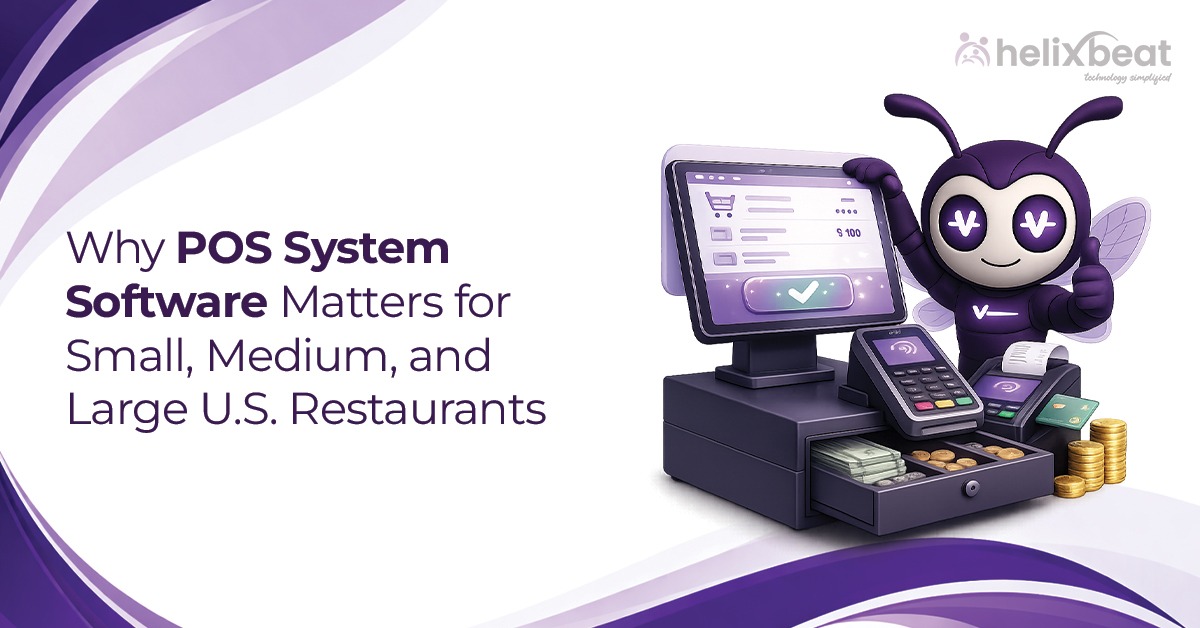
That’s where pos system software for restaurant operations comes in. By streamlining orders, payments, and reporting in one easy-to-use platform, it helps restaurants of all sizes save time, reduce mistakes, and boost customer satisfaction.
Whether you’re a small café, a growing bistro, or a large multi-location chain, the right POS software can transform the way you run your business.
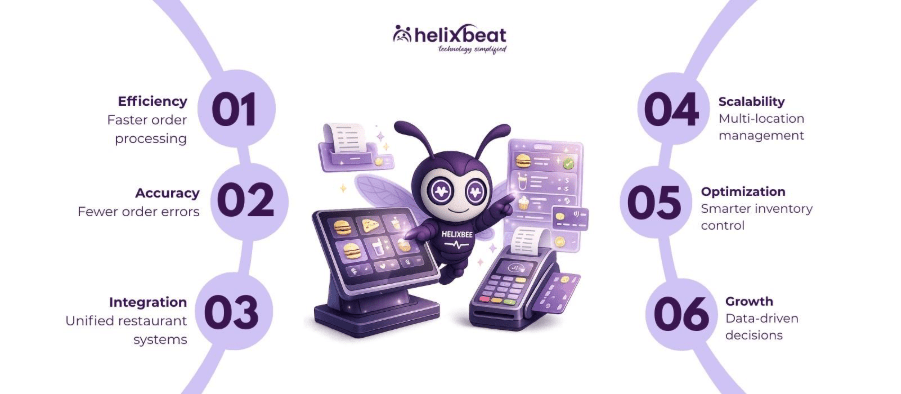
Table of Contents
What Does POS System Software Actually Do?
POS system software for restaurants is more than just a digital cash register. It streamlines every part of your operations, from taking orders and processing payments to managing inventory and tracking sales. Instead of juggling multiple tools, your staff can handle dine-in, takeout, and delivery orders all in one place, reducing mistakes and speeding up service.
Beyond orders, it also helps track employee hours, monitor stock levels, and generate real-time reports that give you a clear picture of your restaurant’s performance. With features like customer data storage and loyalty programs, POS software turns routine tasks into insights, helping you make smarter business decisions while keeping guests happy.
Why POS System Software Is Essential for Small, Medium, and Large U.S. Restaurants
Running a U.S. restaurant involves juggling orders, inventory, staff, and customer satisfaction – all at once. That’s why pos system software for restaurant operations isn’t just a convenience – it’s a necessity.
It helps restaurants of all sizes streamline operations, reduce errors, and give customers a better experience from the moment they walk in.
1. Small Restaurants
For small restaurants, cafés, or food trucks, resources are limited, and every minute matters. A POS system helps staff take orders quickly, process payments efficiently, and track inventory in real time, even with just a few team members. It reduces mistakes, avoids wasted ingredients, and allows owners to focus on creating great food and a welcoming experience.
Example: A local coffee shop uses POS software to track inventory daily. This simple step prevents running out of popular drinks during the busy morning rush and keeps customers coming back.
Statistic: According to statistics, small restaurants using POS systems experience 30% fewer order errors, which translates to happier guests and less wasted time.
2. Medium Restaurants
Medium-sized restaurants face a different set of challenges. Orders are higher, staff is larger, and many restaurants also rely on online delivery. POS software keeps everything in one place—orders, inventory, reporting, and even delivery integration. This allows managers to make smarter decisions, such as adjusting staffing during peak hours or changing menu items based on real-time sales data. It also ensures the kitchen and front-of-house stay in sync, reducing wait times and mistakes.
Example: A busy bistro connects its POS system with DoorDash and Uber Eats, cutting down on order mix-ups and speeding up delivery times.
Statistic: Restaurants that use integrated POS systems for online orders report 25% faster order fulfillment, according to a 2024 restaurant tech survey, helping keep both diners and delivery customers happy.
3. Large Restaurants
Large restaurants or multi-location chains need a system that can handle high volume and complexity. Centralized POS software provides unified reporting, inventory tracking across locations, and detailed staff management. This level of control helps maintain consistent service, reduces human error, and supports large-scale operations without stress. It also allows owners to analyze trends across multiple sites, make data-driven decisions, and scale smoothly.
Example: A 5-location family restaurant chain uses centralized POS software to monitor sales and inventory in all locations. Managers can reorder ingredients before running out, ensuring every branch runs efficiently and customers get the same experience everywhere.
Statistic: Multi-location restaurants report a 20% increase in operational efficiency after adopting centralized POS systems, making expansion and growth much more manageable.
Investing in a POS system isn’t just tech; it streamlines operations, cuts errors, and keeps customers coming back.
Cost vs Value: Is POS System Software Worth the Investment?
Buying a POS system can feel like a big upfront expense, especially for small or growing restaurants. But when you look at how much time it saves, mistakes it prevents, and revenue it drives, the value is hard to ignore.
Here are three real examples showing how U.S. restaurants get a solid return on their POS investment:
1. Cutting Order Mistakes and Keeping Guests Happy
Wrong orders frustrate customers and eat into profits. A POS system helps staff take orders correctly, sends them straight to the kitchen, and keeps track of special requests.
Use Case: A pizzeria in New York started using a POS system for both dine-in and delivery. Within a month, order errors dropped 30%, leading to faster service, happier customers, and less wasted food.
2. Smarter Inventory Management and Cost Control
Manually tracking inventory is slow and error-prone. POS software monitors ingredient use in real time, alerts staff when stock runs low, and helps plan purchases based on sales trends.
Use Case: A mid-sized bistro in Texas used POS inventory tracking to see exactly how much they were using each week. Over-ordering and spoilage dropped 20%, saving money and keeping their menu profitable.
3. Better Staff Scheduling and Efficiency
Labor is one of the biggest expenses for U.S. restaurants. POS systems help managers track hours, schedule shifts around peak times, and analyze staff productivity, making operations smoother and cheaper.
Use Case: A casual dining chain in California used POS data to schedule staff during busy lunch and dinner hours. This improved efficiency and cut overtime costs by 15% while keeping service top-notch.
For U.S. restaurants, choosing the right POS can help reduce costs, increase revenue, and make daily operations much easier to manage.
Why RavZora is the Best POS System Software for U.S. Restaurants
Running a restaurant smoothly means more than just taking orders. RavZora is a pos software for restaurant that handles orders, payments, inventory, and customer management – all in one easy-to-use system. It helps your staff work faster, reduces mistakes, and gives your customers a better experience every time.
RavZora isn’t just a cash register, it’s a complete restaurant order system that keeps your operations organized and helps your restaurant grow.
Why Restaurants Choose RavZora:
- Fast Order Flow: Orders go directly to the kitchen, reducing delays and mistakes.
- Easy Table & Order Management: Handle dine-in, takeout, and delivery from one system.
- Works for Multiple Locations: Manage all your restaurants from a single dashboard.
- Accurate Billing: Split checks, apply taxes and discounts quickly without errors.
- Instant Reports: See sales, inventory, and staff performance in real time.
RavZora makes running a restaurant easier, faster, and more profitable, no matter the size or type of your business. Book a free demo now.
FAQ
1. What exactly is a POS system for restaurants?
A POS system is more than a cash register. It’s a software platform that manages orders, payments, inventory, staff schedules, and customer data all in one place.
2. Can small restaurants benefit from POS software, or is it just for big chains?
Even small restaurants and cafés can benefit. POS systems save time, reduce mistakes, and help track sales and inventory – even with a tiny team.
3. How does a POS system help with online orders and delivery?
Modern POS systems integrate with delivery platforms like DoorDash and Uber Eats, so online orders go directly to your kitchen and update your inventory automatically.
4. Is investing in POS software really worth the cost?
Yes. It helps cut errors, reduces food waste, optimizes staff scheduling, and gives you insights to boost revenue, so the return often outweighs the upfront cost.
5. Can a POS system grow with my restaurant?
Absolutely. Whether you expand to multiple locations or add delivery and takeout, most POS systems scale with your business, keeping operations smooth and consistent.