
When Airbnb first started, the founders didn’t build a full-fledged travel booking platform. Instead, they launched a simple MVP – a basic website that allowed users to rent air mattresses in their apartment.
This early version helped them test the idea, gather feedback, and validate demand without spending a fortune on development. The problem? Many startups rush to build complex products, risking time, money, and resources on features users may not even need.
This is where MVP development services make a difference. By focusing on the core functionality first, startups can quickly solve real problems, get valuable insights from early users, and make informed decisions for the next stage. With expert guidance, businesses can avoid costly mistakes and accelerate their journey to market, building products that truly meet user needs.
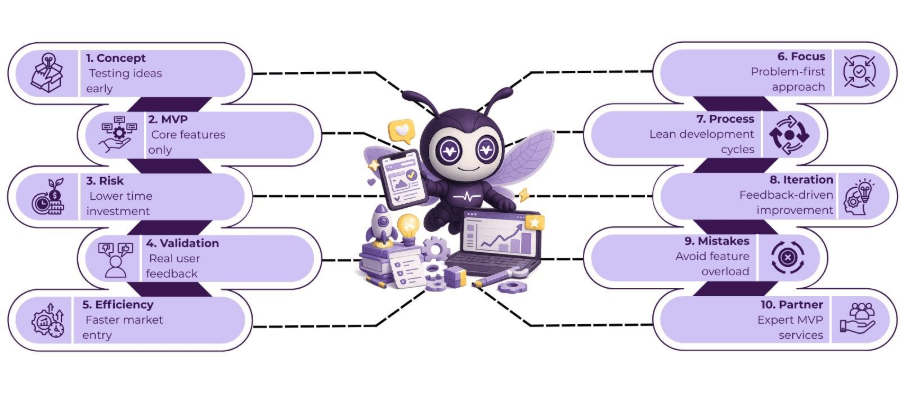
Table of Contents
What Is MVP Software?
MVP software, or Minimum Viable Product software, is the simplest version of a product that includes only the core features necessary to solve a specific problem for users.
Instead of building a fully polished product from the start, an MVP allows startups to test their ideas, gather real user feedback, and validate market demand quickly and cost-effectively. It’s a smart way to reduce risk, save resources, and make data-driven decisions before investing in full-scale development.
Why Businesses Build MVP Software in the First Place?
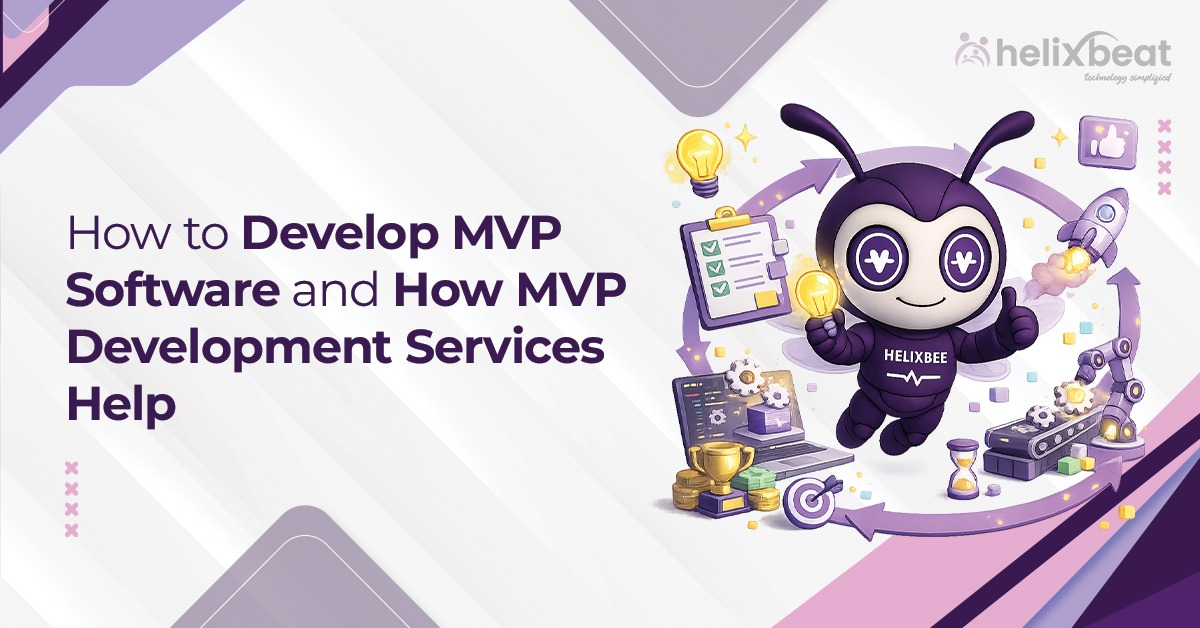
When startups are looking to test their ideas without risking too much time or money, partnering with mvp development services for startups can make the process smoother and more effective. Here’s a practical step-by-step guide to developing MVP software:
- Identify the Core Problem – Focus on the main challenge your product will solve. Avoid adding extra features that don’t directly address this problem.
- Define Essential Features – List only the must-have functionalities for your MVP. Think of it as the “minimum” in Minimum Viable Product.
- Sketch Wireframes or Mockups – Visualize the layout and flow of your software before coding. This helps align your team and clarifies the user journey.
- Choose the Right Technology Stack – Pick scalable and cost-effective tools that allow for fast iterations and future growth.
- Develop the MVP – Build the product focusing on speed and quality. Keep communication open with your development team to ensure the product meets the initial goals.
- Test Internally – Conduct QA testing to fix bugs and improve usability before reaching real users.
- Launch to Target Users – Release the MVP to a small group of users and observe their interactions and feedback.
- Iterate Based on Feedback – Make improvements, add features gradually, and refine the product according to what users actually need.
Following these steps allows startups to validate ideas quickly, save resources, and reduce risk. By working with professional mvp software development services, businesses can streamline this entire journey and move confidently from MVP to a full-scale product.
How to Develop MVP Software Step by Step (Practical Guide)
Developing an MVP doesn’t have to be overwhelming. By breaking it down into practical steps and leveraging the right MVP development services, you can turn your idea into a working product faster, smarter, and with less risk:
1. Clarify Your Goal and Target Audience
Before writing a single line of code, understand who your users are and what problem you’re solving for them. This helps you focus on features that truly matter.
2. Prioritize Core Features
List all possible features, then narrow them down to the essentials that make your product usable and testable. The goal is to deliver value without overcomplicating the MVP.
3. Design a Simple, Intuitive User Flow
Create wireframes or mockups to visualize how users will interact with your MVP. A clean and intuitive design ensures users can experience your product effortlessly.
4. Develop, Test, and Refine Quickly
Build the product using a lean approach, test it internally, fix bugs, and make small improvements. The faster you release a working version, the sooner you can gather real feedback.
5. Launch to a Small Audience and Learn
Release your MVP to a limited group of users, observe how they use it, and collect feedback. Use this insight to iterate, enhance, and prepare for the next development stage.
By following these steps, startups can reduce risk, save resources, and create a product that genuinely resonates with users. Partnering with mvp software development services can make this process smoother, faster, and more cost-effective.
Common MVP Mistakes That You Need to Avoid
Even with the best intentions, many startups stumble during MVP development. Avoid these common mistakes to save time, money, and frustration:
- Adding Too Many Features Too Soon – Overloading your MVP dilutes focus and confuses users. Stick to the essentials that solve the core problem.
- Ignoring User Feedback – Launching without listening to real users can lead to building features nobody wants. Feedback is your most valuable guide.
- Skipping Testing – Releasing a buggy or confusing product creates a negative first impression. Internal testing ensures a smoother user experience.
- Rushing to Scale – Expanding or adding features before validating the MVP wastes resources and may introduce avoidable errors.
- Neglecting the Business Goal – Focusing solely on tech or design without measuring whether the MVP achieves your business objectives can derail your strategy.
Avoiding these pitfalls helps startups validate their ideas faster, improve user satisfaction, and make smarter decisions for full-scale development.
Why Startups Need MVP Development Services to Launch Smarter
Startups today face a tough reality: about 90% fail within their first five years, often because they build products nobody truly wants. That’s where mvp development services for startups play a critical role – by helping founders validate their ideas early, reduce wasteful spending, and prioritize features users actually care about.
Research shows that startups using MVP approaches are more likely to succeed and cut initial development costs by up to 60%, while also launching faster and gaining real user feedback.
By leaning on structured MVP strategies instead of guessing what users need, founders can make smarter decisions, reduce risks, and build products that have a real shot at long‑term success.
How Businesses Trusst Helixbeat for MVP Development
Startups choose Helixbeat because they do more than just build software, they help validate ideas, prioritize key features, and create MVPs that users actually engage with.
Their agile process focuses on rapid iteration, real‑world testing, and strategic refinement, ensuring faster launches, reduced risks, and scalable solutions designed for long-term growth.
What sets Helixbeat apart is its customer-centric, outcome-driven approach:
- Product Strategy & Feature Prioritization – Helps founders define what truly matters in early releases.
- Lean, Iterative Development – Regular feedback loops ensure the MVP evolves based on real user input.
- Scalable Architecture – MVPs built with long‑term growth in mind, preventing costly rewrites later.
- Post-Launch Support – Hotfixes, performance monitoring, and roadmap guidance even after release.
By combining strategy, design, and technology expertise, Helixbeat earns the trust of startups looking to move fast, validate early, and grow confidently into full-scale products. Book a free consultation now.
FAQ
1. What are MVP development services, and why do startups need them?
MVP development services help startups turn ideas into a working product quickly by focusing on core features. They reduce development risks, save time, and provide a clear roadmap for scaling the product.
2. How can startups benefit from MVP development services for startups?
By using MVP development services for startups, businesses can validate their ideas early, gather real user feedback, and make smarter decisions before investing in full-scale development. This approach saves resources and accelerates time-to-market.
3. Where can I find reliable MVP development services near me?
Searching for MVP development services near me can help you connect with local experts who understand your market. Local providers often offer personalized support and easier collaboration alongside global MVP software development companies.
4. How do I decide whether to hire an MVP development company or build in-house?
If your team lacks prior experience, has limited time, or wants to reduce risks, hiring an MVP software development company is usually faster, more cost-effective, and ensures better product quality.
5. What happens after the MVP is launched?
After launch, startups collect real user feedback, analyze usage patterns, and iteratively improve the product. The goal is to refine the MVP into a full-scale solution that meets market demands effectively.