

In today’s business space growing, nothing can be more significant than first impressions. Take it’s a corporate office, healthcare facility, educational campus, or an event venue, how visitors are welcomed sets the tone for their entire experience. Back then, paper logs, manual check‑ins, and slow front‑desk processes are quickly becoming relics of the past.
Instead, businesses across America are embracing digital solutions to streamline operations and enhance security. Among these innovations, the visitor registration system stands out as a game‑changer, enabling organizations to onboard visitors faster and more efficiently than ever before.
From enhancing guest experience to strengthening security protocols, a modern visitor registration system provides benefits that go well beyond simple check‑in procedures. This article explores how these systems work, why U.S. businesses are adopting them at record pace, and how a seamless visitor registration system can transform your front desk into a high‑performance asset.
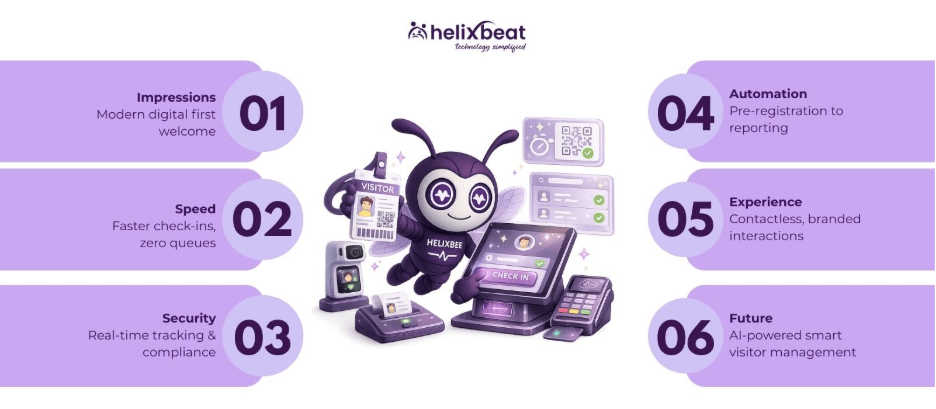
Table of Contents
What Is a Visitor Registration System?
At its core, a visitor registration system is a digital platform designed to manage the check‑in and check‑out process of guests entering a facility. Instead of signing a paper log book or entering details manually, visitors interact with an intuitive digital interface—on a kiosk, tablet, or even their smartphone. Behind the scenes, the system captures information, verifies identities, and stores records in a secure database for real‑time tracking and compliance reporting.
In the U.S. market especially, where data privacy and workplace safety are paramount, a visitor registration system doesn’t just improve efficiency—it builds operational trust and professionalism.
The Need for Speed: Why Businesses Are Upgrading
Speed matters. Walk into a bustling corporate lobby, and the last thing a visitor wants is to wait in line, fill out lengthy forms by hand, or rely on busy reception staff to handle routine check‑ins. This is where a visitor registration system shines. By automating the entry process, organizations can significantly reduce wait times, enhance visitor satisfaction, and free up staff to focus on more strategic tasks.
A modern system allows visitors to pre‑register online before arrival, complete check‑in with a scan of a QR code, or quickly confirm their identity through a touchless interface. In 2026 and beyond, contactless solutions have moved from luxury to necessity—especially in industries like healthcare and education where hygiene and efficiency go hand in hand.
How a Visitor Registration System Works
Although implementations can vary, most visitor registration systems follow a common workflow:
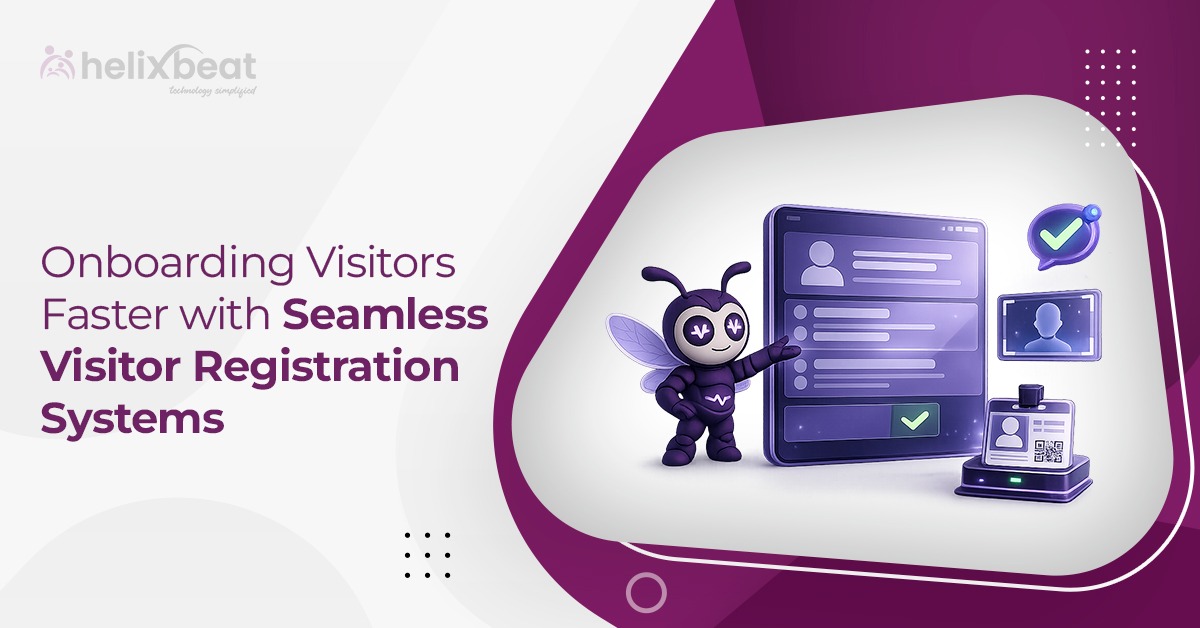
- Pre‑Registration: Hosts send a visitor invite with instructions and a unique code or link.
- Arrival & Check‑In: Upon arrival, visitors use a kiosk, tablet, or mobile device to scan their code or enter minimal details.
- Identity Verification: Some systems integrate ID scanning or badge scanning to ensure accurate identification.
- Instant Alerts: The host receives a notification the moment their guest checks in.
- Badge Printing & Access Passes: Customized badges can be printed automatically with visitor details and photo.
- Check‑Out & Reporting: When visitors leave, their departure is logged automatically, and attendance reports are stored securely.
By automating these steps, organizations gain transparency and control over who is on their premises at any given time—a critical requirement in industries where security and safety are regulated by law.
Top Benefits of a Seamless Visitor Registration System
1. Improved First Impressions
The lobby is often the first physical interaction a visitor has with your brand. A streamlined, digital check‑in process sends a strong message: your organization values innovation, efficiency, and customer experience. In the U.S. market, where competition for talent and partnerships is fierce, these small details can make a big difference.
2. Faster Visitor Onboarding
Manual logs and clipboard sign‑ins slow everything down. With a digital visitor registration system, guests can be processed in seconds—not minutes. This is especially beneficial during peak hours or large events, where lines and delays can create frustration.
3. Enhanced Security & Compliance
Security threats are a real concern for U.S. organizations. A visitor registration system provides accurate visitor logs, ID capture, timestamps, and automated check‑out records. This level of detail supports compliance with regulations like OSHA requirements for emergency evacuation records and HIPAA standards in healthcare facilities.
4. Real‑Time Notifications
Hosts today expect real‑time updates. With a digital system, employees receive instant alerts the moment their visitor arrives at the front desk. This reduces waiting times and improves coordination—whether it’s a job candidate, client, or contractor.
5. Contactless Check‑In
In a post‑pandemic world, public health considerations remain a priority. The best visitor registration systems offer touchless features that align with CDC recommendations, such as QR code scanning and mobile check‑ins, reducing physical contact and potential transmission of germs.
6. Custom Branding & Professionalism
Many systems allow organizations to showcase their brand during the check‑in process. From custom welcome screens to branded badges, this professional touch reinforces credibility and creates a polished experience for every guest.
Key Features to Look For
When evaluating a visitor registration system for your business, consider the following essential features:
- Pre‑Registration & Invitations: Allow hosts to send digital invites before arrival.
- Mobile & Kiosk Check‑Ins: Support multiple entry points for convenience.
- Touchless Options: QR codes, facial recognition, and mobile entry options.
- Host Notifications: Real‑time alerts via email, SMS, or internal messaging apps.
- Badge Printing & Customization: Branded badges with visitor photos and details.
- Security Integrations: Connectivity with access control systems and employee directories.
- Reporting & Analytics: Detailed logs for audits, compliance, and trend analysis.
- Emergency Evacuation Integration: Tools to generate reports of everyone currently on site.
By selecting a system with these capabilities, U.S. organizations can future‑proof their operations while delivering an exceptional experience to visitors.
Visitor Registration Systems Across Industries
A digital visitor registration system benefits nearly every sector, but its impact is particularly strong in these areas:
Corporate Offices
Fast‑paced business environments require efficient visitor management. A unified system helps streamline guest check‑ins, supports contractor tracking, and reinforces professional branding.
Healthcare Facilities
Hospitals, clinics, and medical offices must balance patient privacy with high traffic. A visitor registration system enables HIPAA‑compliant data collection and helps staff monitor who is entering and exiting sensitive areas.
Educational Campuses
From K‑12 schools to universities, safety is a top priority. A digital system provides real‑time visibility into campus visitors, improves emergency readiness, and eliminates outdated sign‑in books.
Government Buildings
Public facilities often have stringent security protocols. A visitor registration system helps ensure proper screening, identity verification, and record‑keeping for audits or investigations.
Event Venues & Conferences
Large gatherings demand speed and accuracy. Digital registration dramatically reduces entry delays, improves crowd control, and enhances overall attendee satisfaction.
Real‑World Impact: Success Stories
Consider a mid‑sized technology company in Silicon Valley struggling with long queues at their reception area. Before implementing a visitor registration system, employees often had to pause their work to greet guests and manually fill out details in a log book. With digital check‑ins, pre‑registered visitors now breeze through the lobby in seconds, and staff can focus on higher‑value tasks.
In another example, a hospital in Texas adopted a visitor registration system to comply with updated safety standards. With integrated ID scanning and automated notifications, the hospital not only improved visitor flow but also strengthened its security posture. Administrators could quickly generate reports showing who was on campus during emergency drills and drills, helping them meet regulatory requirements with ease.
These stories underscore how a seamless visitor registration system can deliver measurable improvements in efficiency, safety, and professionalism.
How to Implement a Visitor Registration System Successfully
Adopting a visitor registration system is more than just installing software. To ensure success:
1. Identify Requirements
Begin by evaluating your facility’s current processes. What are the pain points? How many visitors do you typically receive? What security or compliance standards apply? Understanding these factors will guide you to the right system configuration.
2. Choose the Right Platform
Look for a system that matches your needs—not necessarily the one with the most features. Prioritize ease of use, scalability, and integration capabilities.
3. Train Your Team
Even the best technology is only effective if your staff knows how to use it. Provide training sessions and support to ensure smooth adoption.
4. Communicate With Visitors
Let your visitors know what to expect. Send clear instructions for pre‑registration, check‑in procedures, and any required documentation.
5. Monitor & Improve
After implementation, track performance metrics like wait times, error rates, and visitor satisfaction. Use these insights to refine the process over time.
Future Trends in Visitor Management
The field of visitor registration is evolving fast. Over the next several years, several trends are expected to shape the market:
- AI‑Powered Check‑Ins: Facial recognition and machine learning will make entry even more seamless.
- Integration with Access Control: Systems will connect directly with smart doors and secure zones.
- Biometric Verification: Fingerprint or retina scanning may become standard in high‑security environments.
- Mobile‑First Experiences: Smartphones will increasingly become the default check‑in tool.
For U.S. organizations looking to stay ahead, investing in a next‑generation visitor registration system is not just smart—it’s strategic.
Conclusion
A digital visitor registration system is no longer a luxury—it’s a necessity. In an age where velocity, security, and customer experience define competitive advantage, organizations that adopt seamless visitor onboarding processes stand to gain the most. From faster check‑ins and stronger security to richer data insights and improved visitor satisfaction, the benefits are clear.
Whether you’re managing a corporate lobby, a university campus, or a medical facility, implementing a modern visitor registration system is one of the most effective ways to streamline operations and elevate your brand experience. For U.S. businesses striving for excellence in every interaction, the path forward is digital—and it starts with welcoming visitors the right way.
FAQs
1. What is a visitor registration system?
A digital platform that automates visitor check‑ins, tracks entries/exits, and ensures secure, fast onboarding.
2. How does it improve visitor experience?
By reducing wait times, offering touchless check‑ins, and providing instant notifications to hosts.
3. Can it integrate with access control systems?
Yes, many systems connect with doors, gates, and employee directories for secure access.
4. Is it compliant with U.S. privacy regulations?
Most modern systems store data securely and follow HIPAA, OSHA, and other compliance standards.