

Effective communication is one of the most important aspects of medical billing and revenue cycle management. In today’s digital healthcare environment, billing teams are expected to manage patient interactions, insurance claims, reimbursement discussions, and payment collections with speed and accuracy.
As healthcare organizations across the United States continue adopting digital financial systems, the role of payment solutions healthcare platforms has become increasingly important. These solutions help providers improve billing transparency, streamline payment processing, reduce claim denials, and deliver a better patient financial experience.
Poor billing communication can create confusion, delayed reimbursements, frustrated patients, and operational inefficiencies. On the other hand, clear and professional communication helps healthcare organizations strengthen trust, improve collections, and optimize cash flow.
Modern healthcare providers are increasingly turning to solutions from PayNova to automate billing workflows, simplify patient communication, and improve overall financial operations.
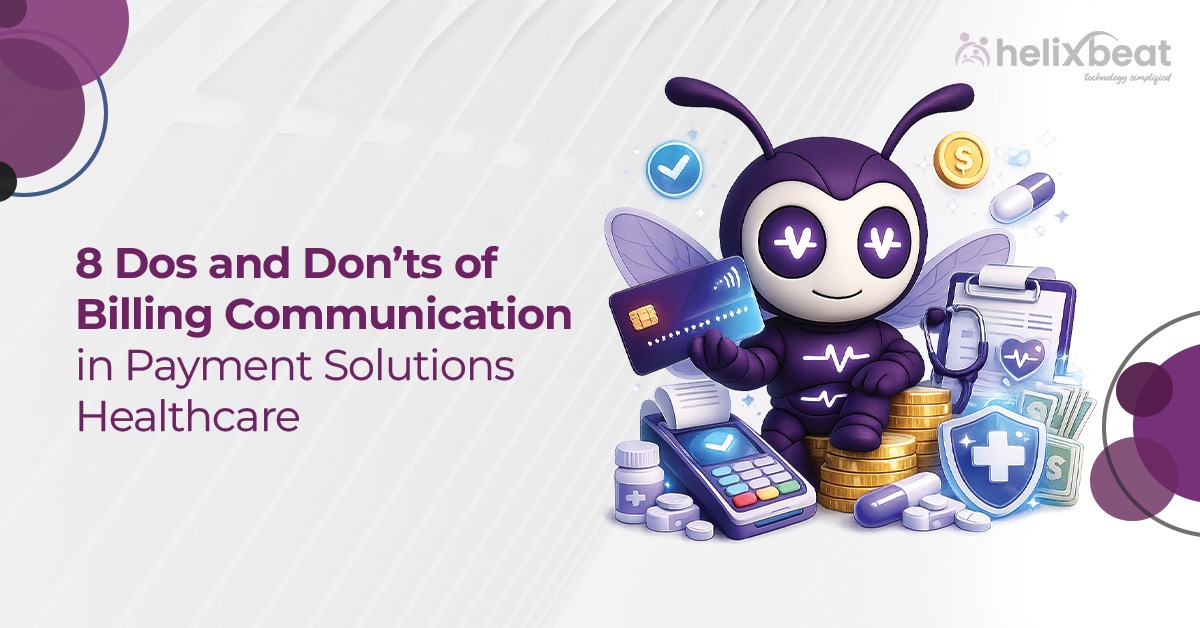
In this blog, we’ll explore the eight major dos and don’ts of billing communication and how modern digital healthcare payment technologies are transforming the patient billing experience.
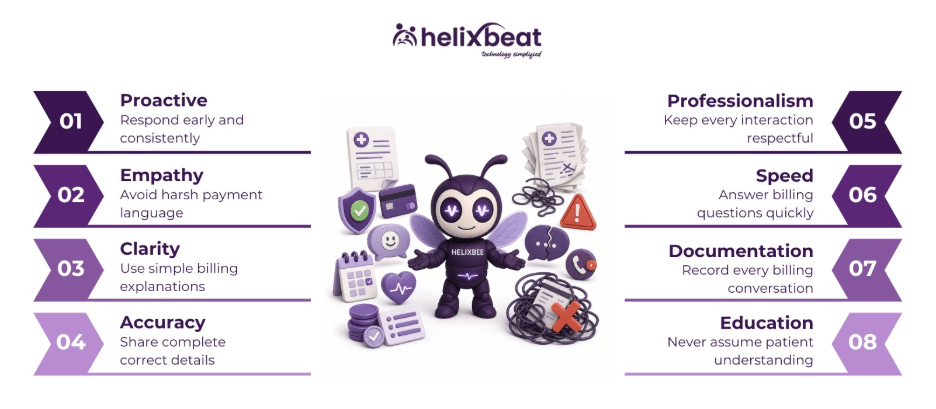
Table of Contents
Why Billing Communication Matters in Healthcare
Healthcare billing is more complicated than ever before. Providers must handle multiple payers, insurance verification, patient balances, co-pays, deductibles, and strict compliance requirements.
This complexity makes communication critical.
Strong billing communication helps healthcare organizations:
- Improve revenue cycle management
- Reduce claim denials
- Increase patient trust
- Accelerate reimbursements
- Improve patient satisfaction
- Reduce administrative workload
Today’s payment solutions healthcare systems simplify communication by automating reminders, centralizing billing information, and improving payment transparency.
Many leading healthcare payment processing companies now provide advanced automation tools that help providers communicate more effectively with patients and insurance companies.
1. DO Be Proactive and Responsive
Proactive communication is essential in healthcare billing. Waiting too long to address claim issues, missing documents, or patient questions can slow down the entire billing cycle.
Healthcare providers should actively follow up with patients, insurance companies, and internal billing teams to resolve issues quickly.
Why Proactive Communication Matters
Being proactive helps:
- Prevent claim delays
- Reduce unpaid balances
- Improve patient confidence
- Speed up reimbursements
- Enhance operational efficiency
Modern healthcare payment platforms allow providers to automate notifications, reminders, and billing alerts to improve responsiveness.
Best Practices
- Respond quickly to patient inquiries
- Send payment reminders before due dates
- Follow up on pending insurance claims
- Verify patient insurance information regularly
- Use automated communication through payment solutions healthcare systems
Many providers using advanced healthcare billing payment systems experience faster payment collection and improved patient engagement.
2. DON’T Use Aggressive or Threatening Language
Patients dealing with medical expenses are often already under stress. Aggressive communication can damage trust and negatively affect the patient experience.
Medical billers should remain calm, respectful, and solution-focused during every interaction.
Risks of Poor Communication
Using harsh language may result in:
- Patient complaints
- Negative online reviews
- Increased disputes
- Reduced payment cooperation
- Damaged provider reputation
Modern healthcare payment gateway solutions focus heavily on patient-friendly billing experiences that reduce frustration and improve transparency.
Better Communication Strategies
Instead of aggressive language:
- Use empathetic communication
- Explain payment options clearly
- Offer flexible payment plans
- Maintain professionalism at all times
- Focus on solving problems collaboratively
Healthcare organizations using payment solutions healthcare technologies can automate patient-friendly messaging and reminders to improve communication quality.
3. DO Use Clear and Concise Language
Medical billing terminology can be confusing for patients. Terms like co-insurance, deductibles, prior authorization, and out-of-pocket maximums are not always easy to understand.
Clear communication reduces confusion and improves patient satisfaction.
Why Clarity Matters
Simple communication helps:
- Improve patient understanding
- Increase payment completion rates
- Reduce billing disputes
- Improve transparency
- Build trust
Many healthcare payment processing companies now offer digital billing portals that display charges in a patient-friendly format.
Tips for Better Communication
- Avoid complicated medical jargon
- Use simple explanations
- Break down charges clearly
- Provide itemized billing details
- Share educational resources through the health payment systems provider portal
Modern payment solutions healthcare systems help providers create transparent billing experiences that are easier for patients to understand.
4. DON’T Provide Incomplete or Incorrect Information
Accuracy is one of the most important factors in healthcare billing communication. Even small errors can lead to delayed payments, denied claims, or compliance risks.
Incorrect billing information creates unnecessary administrative work and financial losses.
Common Billing Mistakes
Some common errors include:
- Incorrect diagnosis codes
- Missing insurance information
- Duplicate billing entries
- Wrong patient balances
- Incomplete claim details
Advanced healthcare billing payment systems reduce these risks by automating billing validation and insurance verification.
How Technology Improves Accuracy
Today’s healthcare payment gateway solutions integrate with:
- Electronic Health Records (EHR)
- Practice Management Systems (PMS)
- Revenue cycle management software
- Insurance verification systems
These integrations improve accuracy and reduce manual data entry errors.
Healthcare providers partnering with PayNova can simplify billing workflows while improving communication accuracy and payment transparency.
5. DO Maintain a Professional Tone
Professional communication is essential for maintaining positive relationships with patients, providers, and insurance companies.
A respectful and professional tone creates confidence and strengthens the healthcare organization’s reputation.
Why Professionalism Matters
Professional billing communication:
- Builds patient trust
- Encourages timely payments
- Improves collaboration
- Reduces conflicts
- Supports long-term patient relationships
Many modern healthcare payment platforms now include communication management tools that help billing teams maintain consistency.
Best Practices
- Stay calm and respectful
- Listen carefully to patient concerns
- Use solution-oriented communication
- Avoid emotional responses
- Maintain professionalism across calls and emails
Organizations using advanced payment solutions healthcare systems often experience improved patient engagement and satisfaction.
6. DON’T Delay Responses to Billing Questions
Delayed communication can create frustration and slow down revenue collection.
Patients expect fast responses regarding:
- Claim status
- Insurance coverage
- Payment balances
- Refund requests
- Payment plans
Quick communication is one of the biggest advantages of modern payment solutions healthcare systems.
Why Fast Responses Matter
Faster responses help:
- Improve patient satisfaction
- Accelerate collections
- Reduce confusion
- Improve operational efficiency
- Strengthen provider-patient relationships
Many healthcare payment processing companies now offer automated support systems and digital communication tools.
Technology-Driven Solutions
Modern healthcare payment gateway solutions support:
- Automated alerts
- Patient self-service tools
- Live payment tracking
- Secure digital messaging
- Real-time billing updates
These tools significantly reduce administrative workload while improving patient communication.
7. DO Document Every Billing Interaction
Documentation is a critical part of medical billing communication. Every patient interaction related to billing should be properly recorded.
Why Documentation Is Important
Accurate documentation helps:
- Resolve disputes quickly
- Support audits and compliance
- Track payment history
- Improve operational transparency
- Reduce legal risks
Modern healthcare billing payment systems automatically track billing communications and payment history.
What Should Be Documented
Healthcare providers should record:
- Phone calls
- Emails
- Insurance discussions
- Payment arrangements
- Refund requests
- Claim appeal updates
Digital documentation through payment solutions healthcare technology improves accountability and reporting accuracy.
Healthcare organizations should also ensure compliance with regulations outlined by HIPAA Compliance Guidelines when managing patient financial information.
8. DON’T Assume Patients Understand Medical Billing
Healthcare billing is often overwhelming for patients, especially those unfamiliar with insurance terminology and healthcare payment processes.
Medical billers should never assume patients understand:
- Deductibles
- Co-pays
- Out-of-network charges
- Claim adjustments
- Coverage limitations
This is why transparent communication is essential.
How to Improve Patient Understanding
Healthcare providers should:
- Explain charges step-by-step
- Provide itemized invoices
- Offer educational resources
- Use patient-friendly billing portals
- Share payment timelines clearly
Many providers now use the health payment systems provider portal to give patients easier access to billing information and payment history.
Modern payment solutions healthcare systems improve patient education and reduce confusion through transparent billing workflows.
How Digital Healthcare Payment Systems Improve Billing Communication
Healthcare organizations are rapidly adopting digital payment technologies to improve both operational efficiency and patient experience.
Today’s healthcare payment platforms provide advanced tools that simplify communication, automate collections, and streamline revenue cycle management.
Key Benefits of Modern Payment Systems
Automated Billing Workflows
Reduces manual errors and administrative burden.
Patient Self-Service Portals
Allows patients to pay bills, review balances, and track payment history online.
Real-Time Insurance Verification
Improves claim accuracy and reduces reimbursement delays.
Secure Digital Payments
Supports HIPAA-compliant payment processing and encrypted transactions.
Flexible Payment Options
Supports cards, ACH transfers, digital wallets, and payment plans.
Healthcare providers working with PayNova can improve patient communication, automate billing operations, and optimize revenue cycle performance through advanced healthcare payment technologies.
Healthcare organizations can also stay updated on reimbursement policies and healthcare payment regulations through Centers for Medicare & Medicaid Services (CMS).
Conclusion
Effective billing communication is essential for success in modern healthcare. From insurance verification and patient billing to reimbursement tracking and payment collection, every interaction impacts both revenue and patient satisfaction.
By following these dos and don’ts, healthcare organizations can:
- Improve revenue cycle management
- Reduce claim denials
- Strengthen patient relationships
- Improve operational efficiency
- Accelerate reimbursements
- Deliver better financial experiences
Modern payment solutions healthcare like PayNova systems are transforming how healthcare providers manage billing communication. Advanced digital tools, automated workflows, patient self-service portals, and transparent payment processes are helping organizations simplify operations and improve patient trust.
As healthcare organizations continue modernizing their financial operations, investing in secure and scalable healthcare payment gateway solutions like PayNova and advanced healthcare billing payment systems will become increasingly important for long-term success.
FAQs
1. Why is billing communication important in healthcare?
Effective billing communication improves patient trust, reduces claim delays, and helps healthcare providers improve revenue cycle management.
2. How do payment solutions healthcare systems improve billing?
Payment solutions healthcare platforms automate billing workflows, reduce errors, improve payment transparency, and simplify patient communication.
3. What are common billing communication mistakes?
Common mistakes include delayed responses, unclear explanations, incomplete billing information, and unprofessional communication.
4. How do healthcare payment platforms improve patient experience?
Healthcare payment platforms offer transparent billing, secure online payments, automated reminders, and self-service portals for easier payment management.