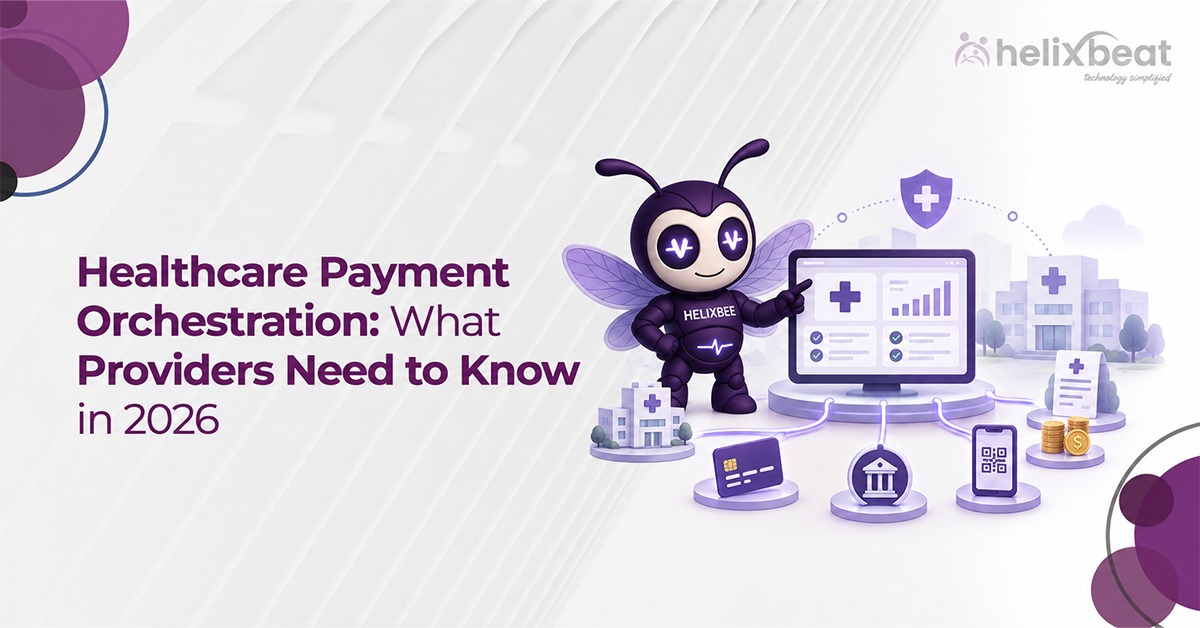


Healthcare payments are finally catching up with how people actually live. In 2026, paying for care no longer feels like navigating a maze of bills, portals, and endless follow-ups. Instead, the shift is subtle but powerful—finance teams are rethinking cash flow, risk, and trust, while technology removes friction quietly in the background.
This is exactly where health payment services are evolving. They are no longer just transactional tools—they are becoming the backbone of modern healthcare operations. From real-time payments to smarter billing experiences, the transformation is practical, efficient, and built for real-world use.
So, what truly makes health payment services effective in 2026? Let’s break it down based on the latest trends shaping the industry.
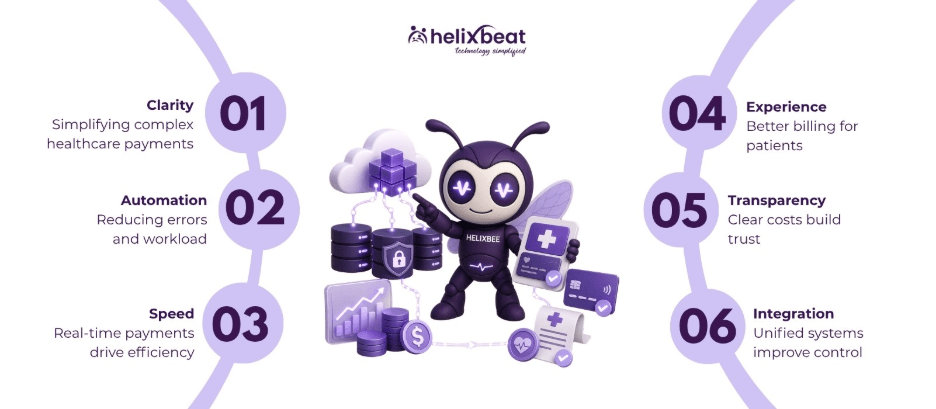
Table of Contents
The Shift from Complexity to Clarity
For years, healthcare payments were messy—multiple payers, unclear bills, delayed reimbursements. Today, health payment services are focused on simplifying this complexity.
Modern health payment systems are designed to:
- Eliminate confusion in billing
- Provide real-time cost visibility
- Reduce payment delays
This shift is not about flashy innovation—it’s about making payments work the way people expect them to.
Digital Transformation and Automation
Automation is no longer optional. It’s the foundation of effective health payment services in 2026.
Manual processes like claims submission, eligibility checks, and reconciliation are being replaced by intelligent automation. Leading healthcare payment processing companies are building platforms that reduce errors and improve speed without increasing workload.
With advanced healthcare payment processing, providers can:
- Process claims faster
- Minimize manual errors
- Improve revenue cycle efficiency
The result? Health payment services that are faster, more accurate, and far less stressful for both providers and patients.
Real-Time Payments Are the New Standard
Speed has become a defining factor. Waiting weeks for payments is no longer acceptable.
Modern health payment services enable real-time transactions across the ecosystem. Whether it’s insurance reimbursements or patient payments, everything moves faster.
This is where health connector payment models play a critical role. They connect insurers, providers, and patients in one streamlined flow, ensuring payments happen without unnecessary delays.
In 2026, effective health payment services are built for immediacy.
Consumer-Friendly Payment Experiences
Patients today expect healthcare payments to feel like any other digital transaction.
That’s why health payment services are becoming more consumer-focused. Confusing bills and delayed statements are being replaced with:
- Clear, itemized billing
- Mobile-first payment options
- Flexible payment plans
Patients can now pay Medicare online or settle bills instantly through digital portals.
This transformation is being driven by forward-thinking healthcare payment processing companies that understand one simple truth: better experiences lead to faster payments.
Value-Based Care and Payment Transparency
One of the biggest shifts in 2026 is the rise of value-based care. Payments are no longer tied only to services—they are linked to outcomes.
Effective health payment services support this model by ensuring:
- Accurate payment calculations
- Transparent billing processes
- Clear communication of costs
Modern health payment systems help providers manage risk while giving patients clarity on what they are paying for.
Transparency is no longer optional—it’s expected.
Stronger Regulatory Compliance and Fraud Prevention
Healthcare payments are under increasing scrutiny. Regulations are becoming stricter, and organizations must adapt.
Reliable health payment services prioritize:
- Payment accuracy
- Fraud detection
- Data security
Top healthcare payment processing companies are investing in advanced analytics and monitoring systems to detect anomalies and prevent fraud.
With secure healthcare payment processing, patients feel confident when they pay Medicare online or make digital transactions.
Reducing Administrative Burden
Healthcare providers have long struggled with administrative overload.
Modern health payment services are solving this by automating routine tasks such as:
- Billing
- Payment tracking
- Follow-ups
This allows teams to focus on care instead of paperwork.
Efficient health payment systems reduce dependency on manual processes and fragmented tools, creating a smoother workflow across departments.
Unified Payment Ecosystems
Healthcare payments involve multiple stakeholders, and managing them separately creates inefficiencies.
Effective health payment services bring everything together into a single ecosystem.
Through integrated health connector payment frameworks, providers can manage:
- Insurance payments
- Patient payments
- Third-party transactions
This unified approach simplifies operations and improves financial visibility.
Better Patient Engagement Through Payments
Payments are becoming a tool for engagement.
Effective health payment services use:
- Notifications
- Payment reminders
- Interactive portals
to keep patients informed and involved.
This improves outcomes in healthcare payment processing and strengthens relationships.
Seamless Insurance Verification and Claims Handling
Insurance complexity has long been a challenge.
Modern health payment services simplify this with real-time verification and automated workflows.
This improves efficiency in health connector payment processes and reduces delays in reimbursement.
With better healthcare payment processing, providers can avoid errors and accelerate payments.
Supporting Telehealth and Digital Care
Telehealth continues to grow, and payment systems must adapt.
Effective health payment services support:
- Online consultation billing
- Subscription-based care models
- Remote payment processing
Patients can easily pay Medicare online for virtual visits, making healthcare more accessible.
Data-Driven Financial Decision Making
In 2026, data is at the core of effective health payment services.
Advanced platforms provide real-time insights into:
- Revenue cycles
- Payment delays
- Outstanding balances
With support from modern healthcare payment processing, organizations can make smarter financial decisions and optimize performance.
Leading healthcare payment processing companies are turning payment platforms into intelligent financial systems that go beyond transactions.
Supporting the Rise of Digital Healthcare
Telehealth and digital care are now part of everyday healthcare.
Effective health payment services are designed to support this shift by enabling:
- Online consultation payments
- Remote billing workflows
- Digital subscription models
Patients can easily pay Medicare online for virtual services, making healthcare more accessible.
Modern health payment systems are built to handle both physical and digital care seamlessly.
Transparency Builds Trust
One of the most important factors in healthcare payments is trust.
Effective health payment services focus on transparency by offering:
- Clear pricing
- Real-time updates
- Easy dispute resolution
When patients understand their bills, they are more likely to pay on time.
This improves efficiency across healthcare payment processing and strengthens relationships between providers and patients.
The Future of Health Payment Services
Looking ahead, health payment services will continue to evolve quietly but significantly.
We can expect:
- More real-time payment capabilities
- Greater adoption of value-based models
- Increased demand for transparency
- Stronger regulatory controls
The goal is simple: create health payment systems that are efficient, secure, and easy to use.
Why PayNova Fits Perfectly into 2026 Trends
PayNova is built for this new era of healthcare payments. It aligns perfectly with the trends shaping health payment services in 2026.
With PayNova, providers benefit from:
- Faster healthcare payment processing
- Seamless integration with existing systems
- Real-time insurance verification
- Flexible payment options for patients
As one of the emerging leaders among healthcare payment processing companies, PayNova simplifies complex workflows and enhances health connector payment efficiency.
It also enables patients to pay Medicare online effortlessly, delivering a smooth and modern payment experience.
Conclusion
Healthcare payments are entering a defining phase. Rising costs, patient expectations, and tighter regulations are pushing the industry toward smarter solutions.
Effective health payment services in 2026 are built on:
- Automation
- Real-time processing
- Transparency
- Patient-centric design
Organizations that embrace these changes will not only improve financial performance but also build stronger trust with patients.
Because in today’s healthcare landscape, health payment services are no longer just about payments—they are about creating better experiences, better systems, and ultimately, better care.
FAQs
1. What are health payment services?
Health payment services are digital solutions that manage billing, insurance payments, and patient transactions efficiently.
2. How do health payment services improve cash flow?
They enable real-time payments, automate billing, and reduce delays in healthcare payment processing.
3. Why are healthcare payment processing companies important in 2026?
They provide secure, automated, and integrated systems that simplify complex healthcare payment workflows.
4. Can patients pay Medicare online using modern systems?
Yes, modern health payment services allow patients to pay Medicare online easily through secure digital platforms.