

The healthcare industry is entering a new era where payment experiences are becoming just as important as clinical care. In 2026, patients expect healthcare organizations to provide seamless, digital-first communication that simplifies billing, improves transparency, and reduces payment confusion. This shift is driving the rapid growth of onlinepatientpayment solutions across hospitals, clinics, telehealth providers, and specialty practices.
Healthcare providers are no longer relying solely on paper statements, manual billing calls, or disconnected systems. Instead, they are investing in smarter technologies that improve communication between providers and patients while accelerating collections and reducing administrative burdens.
For healthcare organizations, adopting modern onlinepatientpayment platforms is not only about convenience. It is about creating better patient relationships, improving financial performance, and meeting rising expectations for digital healthcare experiences.
According to McKinsey & Company, digital healthcare engagement continues to rise as patients increasingly prefer online interactions for scheduling, billing, and communication. This trend is pushing providers to modernize their financial workflows and improve the overall patient experience.
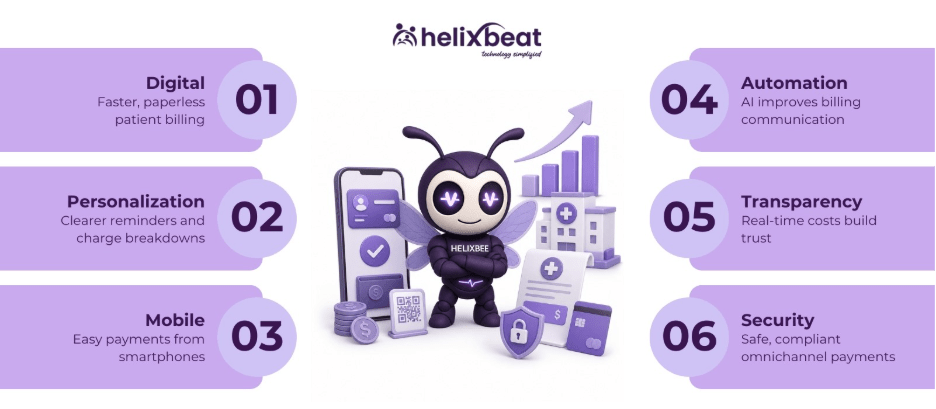
Table of Contents
Why Healthcare Communication Is Changing in 2026
Healthcare communication has evolved dramatically over the last few years. Patients today want the same convenience from healthcare payments that they receive from online shopping, banking, and subscription services.
Traditional billing methods often create frustration because patients struggle to understand medical charges, insurance adjustments, deductibles, and payment timelines. Delayed bills and unclear invoices also lead to poor financial experiences.
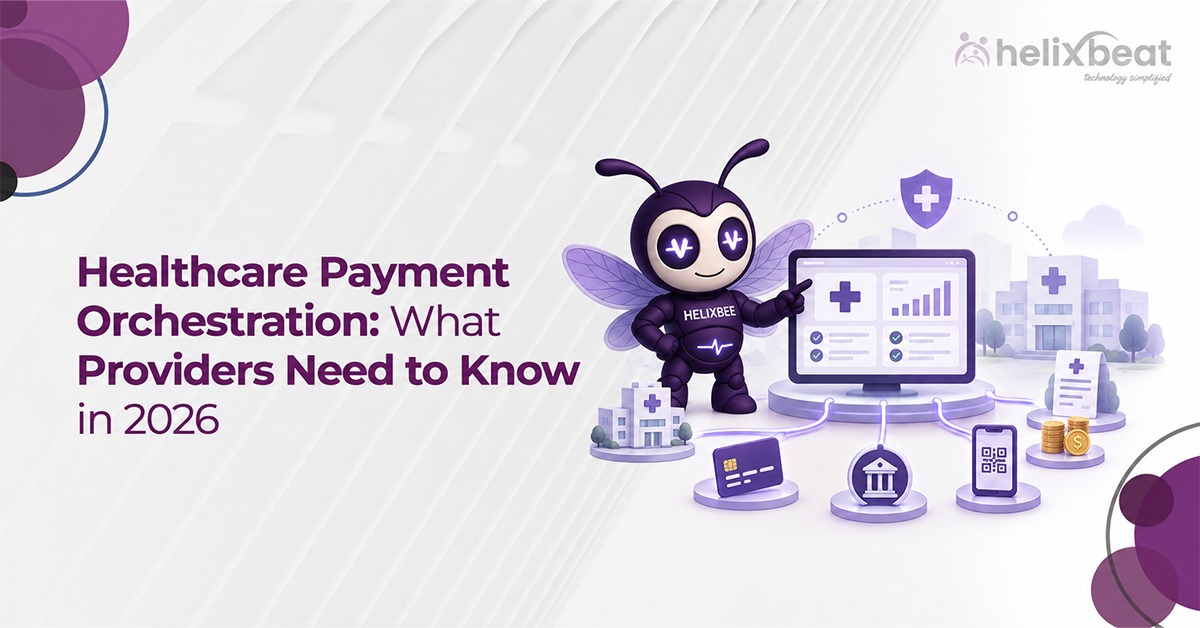
This is where onlinepatientpayment technologies are transforming healthcare communication. These platforms allow providers to send real-time billing updates, digital reminders, flexible payment options, and transparent invoices directly to patients through secure online channels.
Modern healthcare payment solutions now combine payment processing, patient engagement, automation, and communication into one connected ecosystem.
The Rise of Digital-First Patient Billing
In 2026, healthcare providers are prioritizing digital billing strategies to improve operational efficiency and patient satisfaction. Traditional paper billing cycles are being replaced by faster, more accessible digital experiences.
With advanced digital patient payment systems, patients can:
- View bills online instantly
- Make secure payments anytime
- Set up recurring payment plans
- Access payment history
- Receive automated reminders
- Communicate directly with billing departments
This shift improves the entire revenue cycle while reducing administrative workload for healthcare staff.
The growing adoption of onlinepatientpayment systems is also helping providers minimize payment delays and reduce claim-related confusion. Patients are more likely to pay on time when they clearly understand their financial responsibilities.
Trend #1: Personalized Patient Billing Communication
One of the biggest trends shaping healthcare communication in 2026 is personalized billing interactions.
Healthcare organizations are moving away from generic billing notices and adopting customized patient billing communication strategies that improve trust and clarity.
Instead of sending complicated statements filled with technical language, providers now use:
- Personalized payment reminders
- Simple breakdowns of charges
- Insurance explanation summaries
- Mobile-friendly billing notifications
- Multilingual communication support
Modern onlinepatientpayment systems make it easier to tailor communication based on patient preferences and payment history.
This personalized approach reduces confusion while improving patient engagement and payment completion rates.
Trend #2: Mobile-Optimized Payment Experiences
Mobile accessibility is becoming essential for healthcare financial interactions. Patients increasingly expect to manage healthcare bills directly from their smartphones.
Advanced digital patient payment systems now support:
- Mobile payment portals
- One-click payments
- Digital wallets
- SMS payment links
- QR code payments
As a result, onlinepatientpayment platforms are becoming more user-friendly and accessible for patients of all age groups.
Healthcare providers using mobile-first payment experiences are seeing faster collections and stronger patient satisfaction scores.
According to Statista Healthcare Digital Payment Statistics, digital payment adoption continues to grow globally, with mobile transactions becoming a dominant payment method across industries, including healthcare.
Trend #3: AI-Powered Billing Communication
Artificial intelligence is playing a major role in transforming healthcare financial communication.
AI-powered healthcare payment solutions can now automate billing workflows, predict payment behaviors, and improve communication timing.
For example, AI can:
- Identify patients who may need payment plans
- Send reminders at optimal times
- Detect billing anomalies
- Reduce claim submission errors
- Improve insurance verification processes
These intelligent systems enhance the overall onlinepatientpayment experience while reducing operational inefficiencies.
AI-driven automation also supports better healthcare payment processing by minimizing manual intervention and improving accuracy.
Trend #4: Transparent Pricing and Real-Time Estimates
Price transparency is becoming one of the most important aspects of patient communication in healthcare.
Patients want upfront cost estimates before treatments or consultations. In response, providers are integrating transparency tools into their onlinepatientpayment platforms.
Real-time cost estimation tools now allow patients to:
- Understand insurance coverage
- Review out-of-pocket costs
- Compare payment options
- Choose installment plans
This improves trust and reduces unexpected billing surprises.
Transparent patient billing communication also helps providers reduce disputes and increase timely collections.
Trend #5: Flexible Payment Plans Becoming Standard
High healthcare costs continue to create financial pressure for many patients. Because of this, flexible payment plans are becoming a standard feature in modern healthcare payment solutions.
Providers are increasingly offering:
- Interest-free installment plans
- Automated recurring billing
- Subscription-style healthcare payments
- Financing integrations
These flexible options encourage patients to stay financially engaged rather than delaying payments altogether.
Modern onlinepatientpayment systems simplify the management of recurring payments while helping providers maintain stable cash flow.
Trend #6: Integration with Telehealth and Virtual Care
Telehealth continues to expand in 2026, and payment systems are evolving alongside it.
Virtual care providers require seamless healthcare payment processing that works across online consultations, remote monitoring, and digital prescriptions.
Integrated digital patient payment systems allow patients to:
- Pay before virtual appointments
- Receive automated digital invoices
- Access secure online receipts
- Manage payments from telehealth portals
This integration improves convenience while ensuring healthcare providers receive faster reimbursements.
As telehealth adoption increases, onlinepatientpayment tools are becoming critical for delivering smooth digital healthcare experiences.
Trend #7: Stronger Data Security and Compliance
Healthcare organizations manage highly sensitive patient and payment information. As cyber threats increase, providers are focusing heavily on secure payment infrastructure.
Modern healthcare payment solutions prioritize:
- HIPAA compliance
- PCI-DSS compliance
- Encrypted payment processing
- Fraud detection systems
- Secure patient authentication
Patients are more likely to trust providers that offer secure and transparent digital payment experiences.
A reliable onlinepatientpayment platform must not only simplify billing but also protect patient financial data at every stage.
Trend #8: Omnichannel Patient Engagement
Patients now interact with healthcare providers across multiple channels including email, SMS, patient portals, apps, and telehealth platforms.
As a result, healthcare organizations are investing in omnichannel patient billing communication strategies that create consistent experiences across all touchpoints.
An effective onlinepatientpayment strategy may include:
- SMS payment reminders
- Email billing notifications
- Patient portal integrations
- Live chat support
- Digital payment confirmations
Omnichannel engagement helps healthcare providers improve communication while reducing missed payments and patient frustration.
How PayNova Supports Modern Healthcare Communication
helps healthcare providers modernize financial communication through intelligent, secure, and patient-friendly payment experiences.
PayNova’s platform is designed to simplify the growing complexities of healthcare billing while improving patient engagement and operational efficiency.
With advanced onlinepatientpayment capabilities, PayNova enables providers to:
- Streamline payment collection
- Automate billing communication
- Support flexible payment methods
- Improve payment transparency
- Enhance patient convenience
- Strengthen compliance and security
PayNova also supports seamless integration with healthcare systems, helping providers manage insurance payments, patient billing, and digital collections from a unified platform.
As healthcare communication continues evolving in 2026, providers need scalable technologies that balance operational efficiency with patient satisfaction.
The Future of OnlinePatientPayment in Healthcare
The future of healthcare communication will be shaped by convenience, personalization, automation, and transparency.
Healthcare organizations that invest in modern digital patient payment systems will be better positioned to:
- Improve patient trust
- Increase collection rates
- Reduce administrative costs
- Deliver smoother billing experiences
- Strengthen long-term patient relationships
At the center of this transformation is onlinepatientpayment, which is redefining how patients interact with healthcare providers financially.
The days of confusing paper bills and disconnected communication are fading. Patients now expect healthcare payments to be fast, secure, and easy to understand.
Forward-thinking providers are recognizing that payment experiences directly influence patient loyalty and overall satisfaction.
Conclusion
In 2026, healthcare communication is becoming more digital, connected, and patient-focused than ever before. Modern onlinepatientpayment platforms are helping providers simplify billing, improve transparency, and create seamless financial experiences for patients.
From AI-powered automation to mobile billing, omnichannel engagement, flexible payment plans, and secure transactions, the future of healthcare payments is centered around accessibility and convenience.
Healthcare providers adopting advanced healthcare payment solutions and efficient healthcare payment processing systems will gain a significant advantage in improving both operational performance and patient satisfaction.
As patient expectations continue to evolve, investing in smarter patient billing communication and scalable digital patient payment systems will no longer be optional. It will be essential for delivering better healthcare experiences in the modern digital era.
FAQs
1. What is onlinepatientpayment in healthcare?
Onlinepatientpayment refers to digital platforms that allow patients to securely pay medical bills online through cards, bank transfers, or digital wallets.
2. How do healthcare payment solutions improve patient experience?
Modern healthcare payment solutions simplify billing, offer flexible payment options, and improve transparency through faster digital communication.
3. Why are digital patient payment systems important in 2026?
Digital patient payment systems help providers reduce billing delays, improve collections, and deliver more convenient payment experiences for patients.
4. How does patient billing communication affect payment collections?
Clear patient billing communication reduces confusion, improves trust, and encourages patients to make timely healthcare payments.
5. Is healthcare payment processing secure for patients?
Yes, advanced healthcare payment processing systems use encryption, HIPAA compliance, and fraud protection to secure patient payment data.