

Most hospitals never decide to build hundreds of interfaces; it happens one request at a time. A new lab analyzer needs results sent to the EHR, the pharmacy wants admissions, and billing wants them too. Each request is small and reasonable, so someone builds a connection and moves on.
Years later, nobody can say how many interfaces exist, who owns them, or what breaks if one is switched off. That is interface sprawl. Here is how to measure it, shrink it, and keep it from returning.
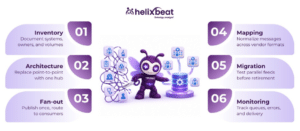
Table of Contents
Why Point-to-Point Gets Expensive Fast
The math is unforgiving. If every system connects directly to every other system, the number of possible links is n(n-1)/2. For instance, ten systems can need 45 connections, but twenty systems can need 190.
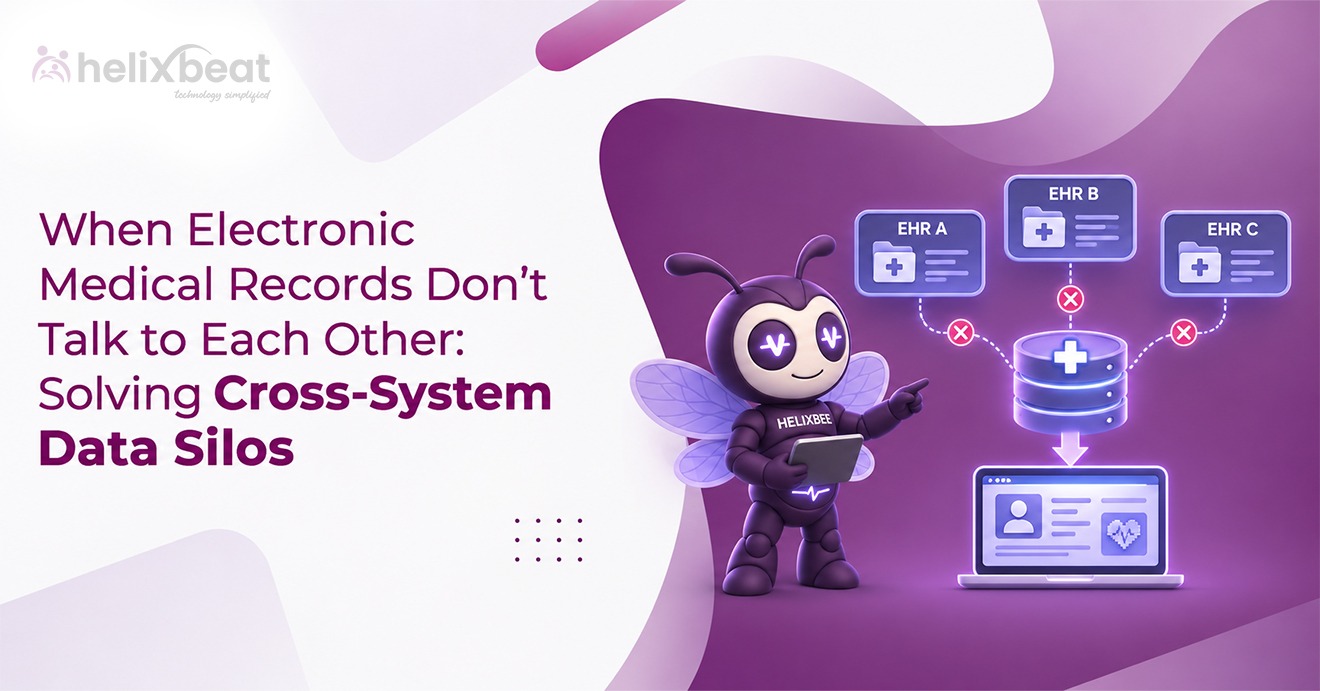
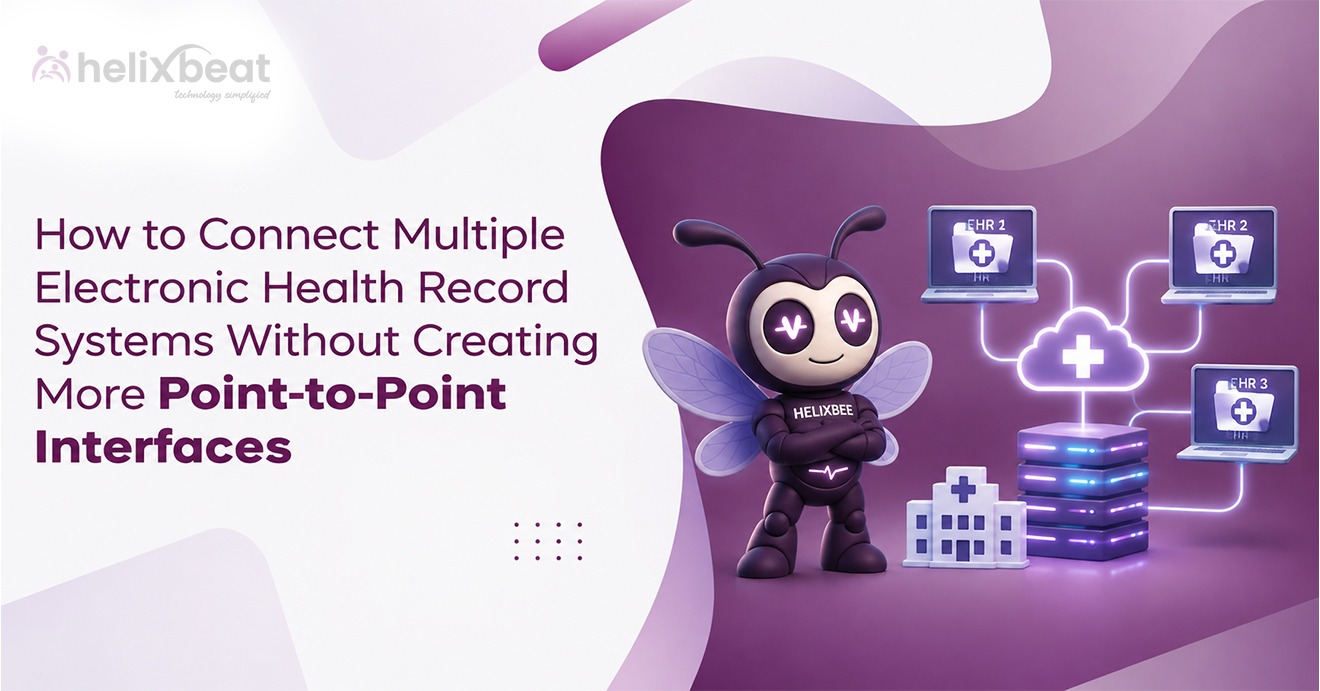
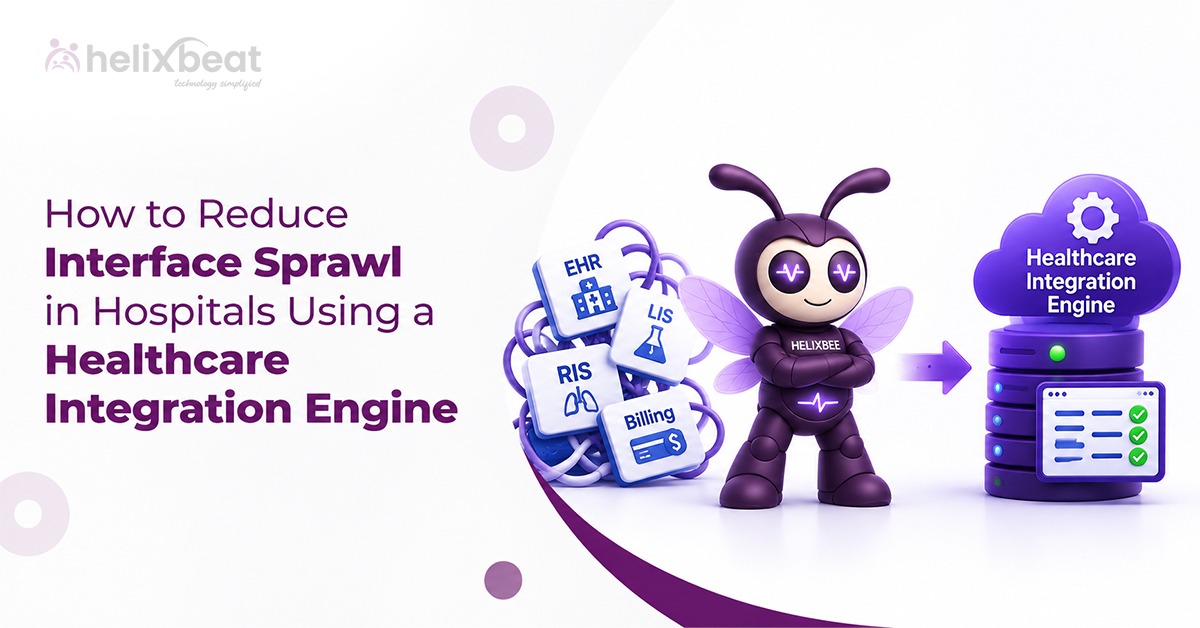
But routing everything through a hub changes that curve. It does not erase complexity but moves the data to one place where it can be seen, tested, and monitored.
That hub is a healthcare integration engine. It receives messages, transforms them, routes them, and tracks delivery.
Interface Engine or Integration Engine?
You will see both terms. A healthcare interface engine traditionally focused on HL7 v2 messaging over MLLP, the simple framing protocol most v2 feeds use. A modern integration engine usually covers more: FHIR APIs, files, database connections, and web services.
Our article on the HL7 integration engine explains how that role shifts as organizations adopt FHIR.
Start With an Honest Inventory
You cannot reduce what you have not counted. Therefore, build a simple register with one row per interface and these columns:
- Source and destination systems
- Message types, such as ADT, ORM, ORU, or SIU
- Daily message volume
- Business owner and technical owner
- Date of last change
- Error rate over the past 90 days
Two things usually surface. First, several interfaces carry the same data to different places. Second, a few have no clear owner. Both are consolidation targets.
Fix the Fan-Out Problem First
The biggest wins come from feeds with many consumers. Admission, discharge, and transfer (ADT) data is the classic case. A single registration system may feed a dozen downstream systems through a dozen separate builds.
The better pattern is publish and subscribe. The source sends ADT once. The engine fans it out, applying a small transformation for each consumer. Therefore, when a new system arrives, add a route instead of a new interface to the source.
Fewer outbound connections also put less load on the source system.
Tame the Custom Segments
Many hospitals carry years of local Z-segments, which are custom additions to HL7 v2 messages. One vendor sends a field in a Z-segment, another places it in a standard field, and a third expects something else entirely.
Do not copy that mess into the new engine. Define a normalized internal format for each message type. Convert inbound variants into it, and convert outbound messages from it. As a result, each new vendor needs one mapping instead of many. This is the core of sustainable healthcare data integration.
Migrate in a Sequence That Limits Risk
A safer order looks like this:
- Pick one high-fan-out feed, usually ADT.
- Build the new route alongside the old one. Run both in parallel.
- Compare outputs. Check message counts and sample content for each consumer.
- Move consumers one at a time. Start with low-risk systems.
- Decommission the old interface. Document the retirement.
The last step is where many projects fall short. If old interfaces keep running, sprawl is simply relocated. That’s why count retired interfaces as a project metric.
Build Monitoring Into the Design
Interfaces have a habit of failing in total silence. A queue might quietly back up overnight, and you only find out when results vanish completely. To catch those blips before they become headaches, set up alerts for queue depth, message age, and sudden drops in volume.
Therefore, watch acknowledgment codes for HL7 v2. AA means accepted, AE means an error, and AR means rejected. A rising count of AE or AR responses points to a mapping or data problem before clinicians feel it.
Security deserves attention here too. MLLP has no encryption of its own, so traffic is typically protected with a VPN or TLS wrapper. Access to message content should also be logged, in line with HIPAA audit control requirements.
Our piece on data exchange standards is a useful companion on how HL7, FHIR, and USCDI fit together.
Measure Whether Sprawl Is Shrinking
Choose a handful of numbers and review them quarterly:
- Total active interfaces
- Interfaces per source system
- Percentage with a named owner and documentation
- Average time to onboard a new system
- Average time to detect a failed feed
If onboarding time falls and the active interface count stays flat or declines, your design is working.
Where Modern Platforms Fit
Some organizations also want FHIR-based access alongside their v2 feeds. In such a case, FHIR server FUSION can sit beside existing infrastructure. And if older applications are the bottleneck, a broader legacy system modernization plan can address them in parallel.
The Takeaway
Interface sprawl is a design problem, and a healthcare integration engine can help because it centralizes routing, mapping, and monitoring. Therefore, start with an inventory, fix the highest fan-out feed, normalize your data formats, and retire what you replace. Do those four things, and healthcare data integration gets easier with every new system.
Know how Helixbeat can support more connected, interoperable healthcare systems and make your integration strategy easier to scale. Get in touch!
FAQs
- What is interface sprawl in a hospital?
It is the buildup of many point-to-point connections between clinical, administrative, and financial systems. Over time, they become hard to document, monitor, and change.
- What does a healthcare integration engine do?
It receives messages from source systems, transforms them into formats other systems expect, routes them, and tracks delivery and errors in one place.
- Is a healthcare interface engine the same as an integration engine?
The terms overlap. An interface engine usually refers to HL7 v2 message routing. An integration engine often implies broader support, including FHIR APIs, files, and databases.
- How many interfaces does a hospital typically have?
It varies widely by size and history. The better question is how many you have, which an inventory will answer.
- Will an integration engine remove the need for interfaces?
No. Each system still needs a connection. The gain comes from connecting once to a hub, not repeatedly to every partner.