

The U.S. healthcare system has long been defined by complexity—multiple payers, delayed reimbursements, and rising out-of-pocket costs. Today, a new model is steadily reshaping this landscape: subscription-based health payment services.
Instead of paying per visit or navigating confusing insurance claims, patients are now opting for predictable, recurring payment models. According to industry insights, nearly 67% of patients and healthcare decision-makers view subscription models as a viable payment solution, highlighting a major shift in how care is accessed and paid for.
This transformation is not only about convenience—it’s about redefining healthcare delivery itself. In this blog, we’ll explore how health payment services built on subscription models are changing the game for both providers and patients.
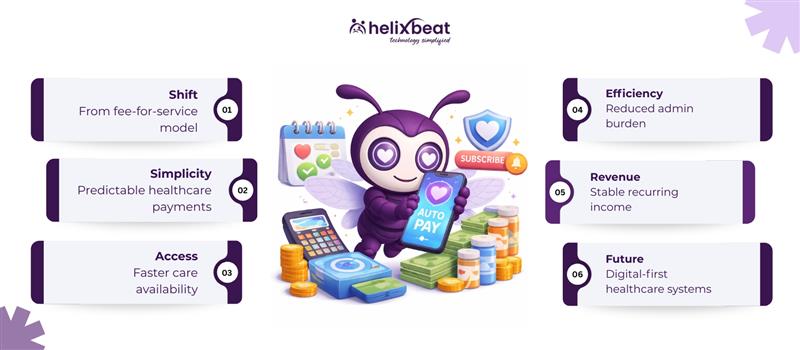
Table of Contents
Understanding Subscription-Based Health Payment Services
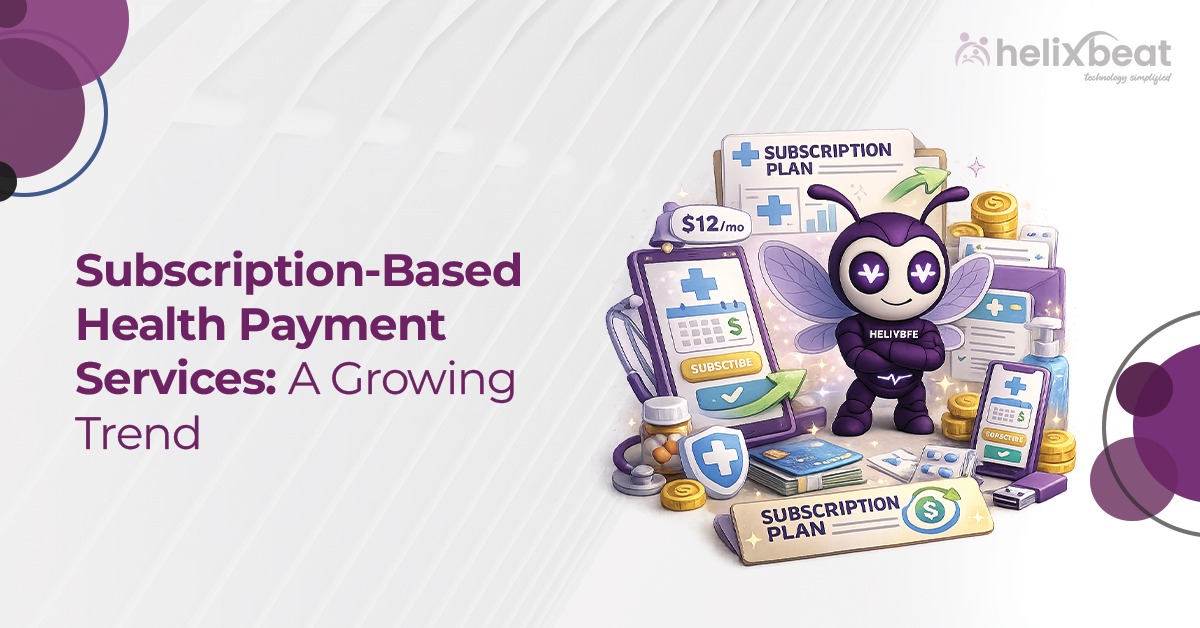
At its core, subscription-based health payment services move away from the traditional fee-for-service model toward a recurring payment structure. Patients pay a fixed monthly or annual fee to access a defined set of healthcare services.
These services often include:
- Primary care consultations
- Telemedicine visits
- Preventive health check-ups
- Mental health support
- Chronic disease management
Unlike traditional billing systems, health payment services in this model eliminate surprise bills and reduce dependency on insurance intermediaries.
Why the Traditional Model Is Breaking Down
Before diving deeper into the benefits, it’s important to understand why health payment services are evolving.
1. Rising Administrative Complexity
Healthcare providers deal with multiple payers, coding systems, and compliance requirements. This makes billing slow and error-prone.
2. Delayed Payments
Insurance reimbursements can take weeks—or even months—affecting provider cash flow.
3. Patient Confusion
Patients often struggle to understand medical bills, leading to delayed or missed payments.
4. High Out-of-Pocket Costs
With high-deductible plans becoming common, patients are bearing more financial responsibility than ever.
These challenges have created a strong need for simpler, more transparent health payment services.
The Rise of Subscription Models in Healthcare
Subscription-based health payment services are gaining traction because they address many of these pain points directly.
Instead of billing per service, providers offer membership-style access to care. This approach creates a win-win scenario:
- Patients get predictable costs and better access
- Providers receive steady, recurring revenue
This shift is also fueled by digital transformation, telehealth adoption, and changing patient expectations.
Types of Subscription-Based Health Payment Services
Not all subscription models are the same. Different types of health payment services cater to varying needs:
1. Concierge Care
- Premium services costing around $150–$200/month
- Personalized care with extended consultation time
- Direct access to physicians
2. Direct Primary Care (DPC)
- Affordable plans ranging from $75–$100/month
- Covers routine visits, preventive care, and basic diagnostics
- Eliminates insurance billing for primary care
3. Specialized Subscription Services
- Focused on areas like mental health, diabetes, or wellness
- Includes therapy sessions, coaching, and monitoring
- Often integrated with digital health platforms
Each of these models represents a different approach to delivering efficient health payment services.
Benefits for Patients
Subscription-based health payment services are designed with patient convenience in mind.
1. Predictable Costs
Patients know exactly what they will pay each month, reducing financial stress.
2. Improved Access to Care
Same-day or next-day appointments become more accessible.
3. Focus on Preventive Care
Providers can spend more time on prevention rather than reactive treatment.
4. Transparent Pricing
Clear, upfront pricing eliminates confusion around billing.
5. Enhanced Convenience
With telehealth integration, patients can consult doctors from anywhere.
These advantages make health payment services more patient-centric than ever before.
Benefits for Healthcare Providers
Healthcare providers also gain significantly from subscription-based health payment services.
1. Predictable Revenue Streams
Recurring payments ensure consistent cash flow, reducing financial uncertainty.
2. Reduced Administrative Burden
With fewer insurance claims to process, staff can focus more on patient care.
3. Higher Patient Retention
Subscription models encourage long-term relationships with patients.
4. Improved Operational Efficiency
Automation and digital platforms streamline billing and payments.
5. Better Financial Planning
Real-time insights and recurring revenue models enable smarter decision-making.
By adopting modern health payment services, providers can build more sustainable practices.
The Role of Technology in Scaling Subscription Models
Technology plays a critical role in enabling efficient health payment services.
Modern payment platforms like PayNova empower healthcare providers to:
- Automate recurring billing
- Integrate with EHR and PMS systems
- Offer multiple payment options (cards, ACH, digital wallets)
- Ensure compliance with HIPAA and PCI-DSS
- Provide real-time financial reporting
With the right infrastructure, subscription-based health payment services become scalable and secure.
How PayNova Supports Subscription-Based Health Payment Services
As healthcare evolves, platforms like PayNova are at the forefront of enabling this shift.
1. Automated Recurring Payments
PayNova simplifies subscription billing with automated monthly or annual payment collection.
2. Seamless Integration
It integrates with existing healthcare systems, ensuring smooth workflows.
3. Flexible Payment Options
Patients can choose how they want to pay, improving adoption rates.
4. Secure and Compliant Transactions
Built-in compliance ensures that all health payment services remain secure.
5. Enhanced Patient Experience
With user-friendly portals, patients can manage subscriptions effortlessly.
By leveraging PayNova, providers can modernize their health payment services without disrupting existing operations.
Challenges to Consider
While subscription-based health payment services offer many benefits, there are still challenges to address:
1. Limited Coverage Scope
Not all medical services can be included in subscription plans.
2. Patient Awareness
Many patients are still unfamiliar with this model.
3. Regulatory Considerations
Compliance requirements must be carefully managed.
4. Integration Complexity
Transitioning from traditional systems can require effort.
However, with the right strategy and technology partner, these challenges can be effectively managed.
The Future of Health Payment Services
The future of health payment services lies in personalization, transparency, and digital innovation.
Key trends to watch include:
- Increased adoption of hybrid models (subscription + insurance)
- Expansion of telehealth services
- AI-driven financial insights
- Greater focus on preventive care
- Enhanced patient engagement tools
As these trends continue, subscription-based health payment services will become a standard rather than an exception.
Why This Trend Matters Now
Healthcare is no longer just about treatment—it’s about experience, accessibility, and efficiency.
Subscription-based health payment services align perfectly with these priorities by:
- Simplifying payments
- Improving care delivery
- Strengthening provider-patient relationships
In a system burdened by inefficiencies, this model offers a practical and scalable solution.
Conclusion
The shift toward subscription-based health payment services marks a significant evolution in the healthcare industry. By replacing fragmented, fee-for-service billing with predictable, recurring payments, this model benefits both patients and providers.
Patients gain clarity, affordability, and better access to care. Providers enjoy steady revenue, reduced administrative stress, and stronger patient relationships.
With advanced platforms like PayNova enabling seamless implementation, the transition to modern health payment services is not just possible—it’s inevitable.
As healthcare continues to evolve, subscription-based models will play a central role in building a more efficient, patient-focused system for the future.
Get started with PayNova today and transform the way you manage healthcare payments.
FAQs
1. What are subscription-based health payment services?
Subscription-based health payment services allow patients to pay a fixed monthly or annual fee to access healthcare services like primary care, telemedicine, and preventive care without traditional billing complexities.
2. How do subscription health payment services benefit patients?
Health payment services based on subscriptions offer predictable costs, better access to doctors, transparent pricing, and convenience through digital and telehealth options.
3. Are subscription-based health payment services better than insurance?
While not a full replacement, subscription-based health payment services complement insurance by covering routine care, reducing out-of-pocket costs, and simplifying payments.
4. How do healthcare providers benefit from health payment services?
Providers using health payment services gain steady recurring revenue, reduced administrative work, faster payments, and improved patient retention.
5. How does PayNova support health payment services?
PayNova enhances health payment services by enabling automated recurring billing, secure transactions, multiple payment options, and seamless integration with healthcare systems.